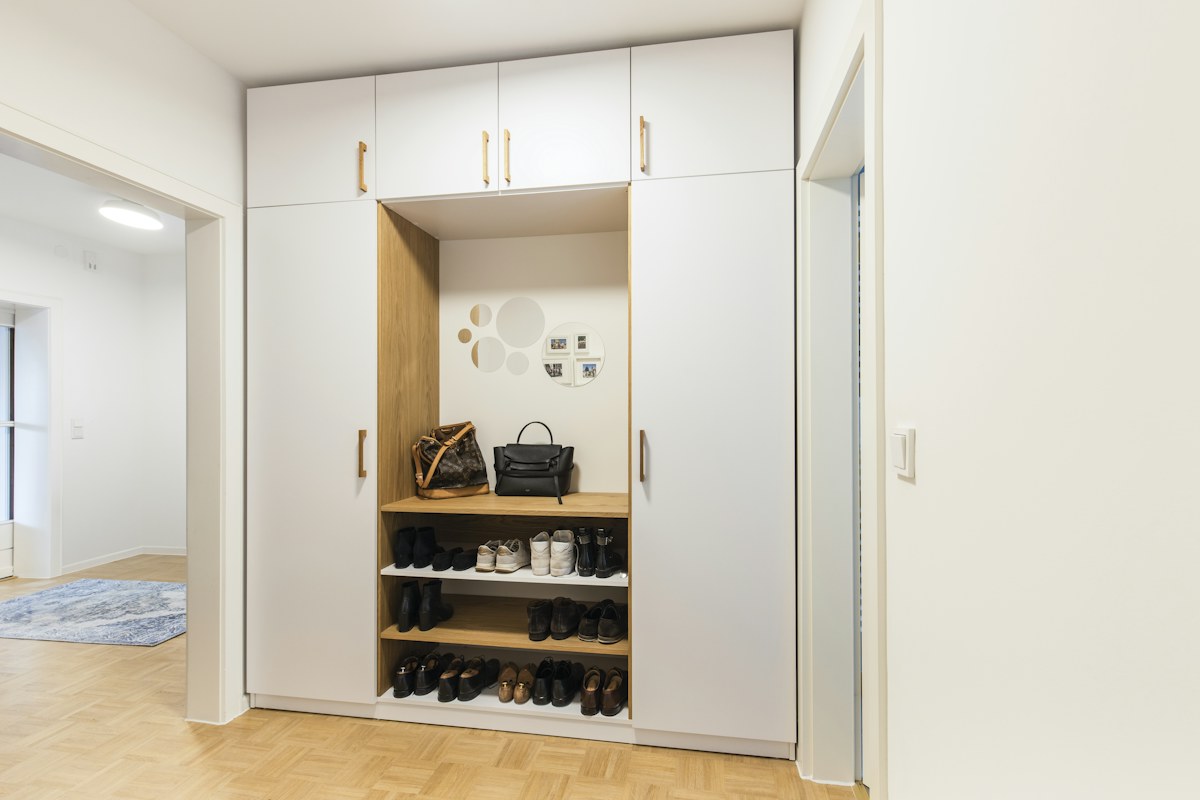
A shoe drop zone that keeps the hallway clear
The best shoe storage starts with the route through your front door, not with the size of a new cabinet. Give wet shoes somewhere sensible to land, then keep the rest out of the way.
Read the guide ↗Make room for everyday life, one corner at a time.
19 guides
The best shoe storage starts with the route through your front door, not with the size of a new cabinet. Give wet shoes somewhere sensible to land, then keep the rest out of the way.
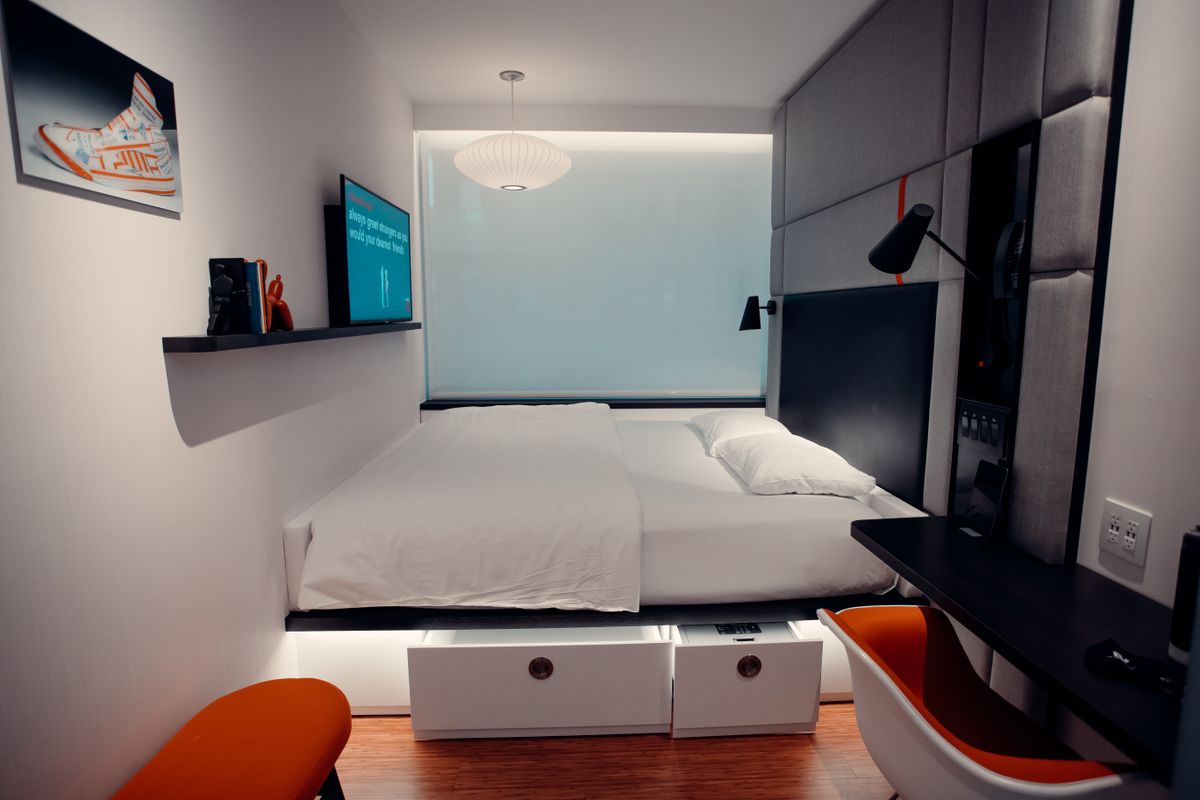
Read the guide ↗Under a bed is useful storage only when you can get things out without rearranging the room. Plan the opening, the contents and the cleaning access before choosing boxes.
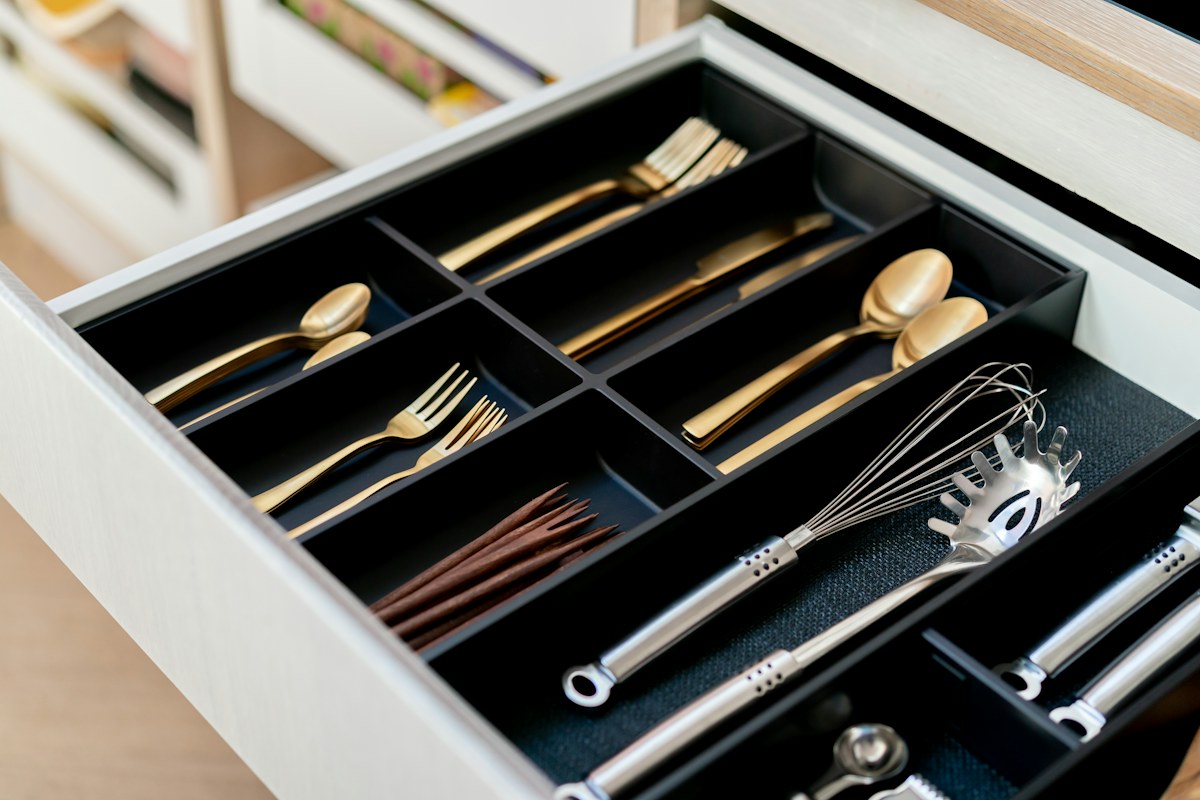
Read the guide ↗A drawer organiser should follow your belongings, not force them into an attractive but awkward grid. Start with a small selection of everyday items and leave room for your fingers.
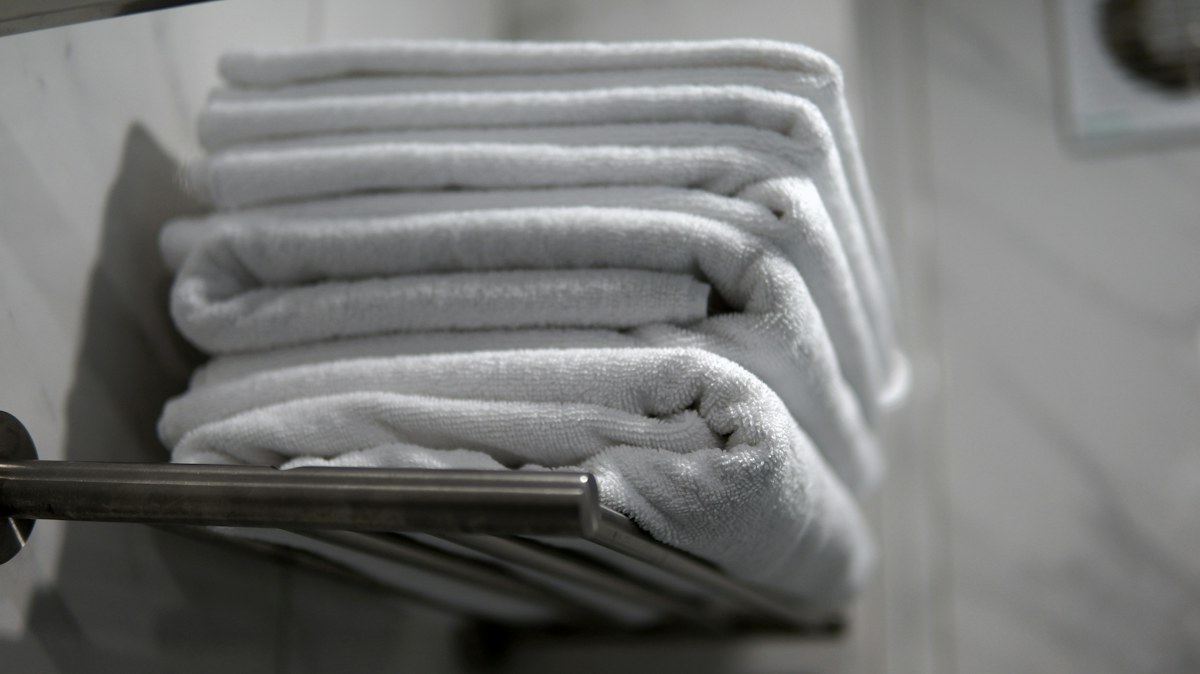
Read the guide ↗A linen cupboard works best when clean bedding is easy to identify and towels can be removed without pulling down the whole stack. Space matters more than elaborate folding.
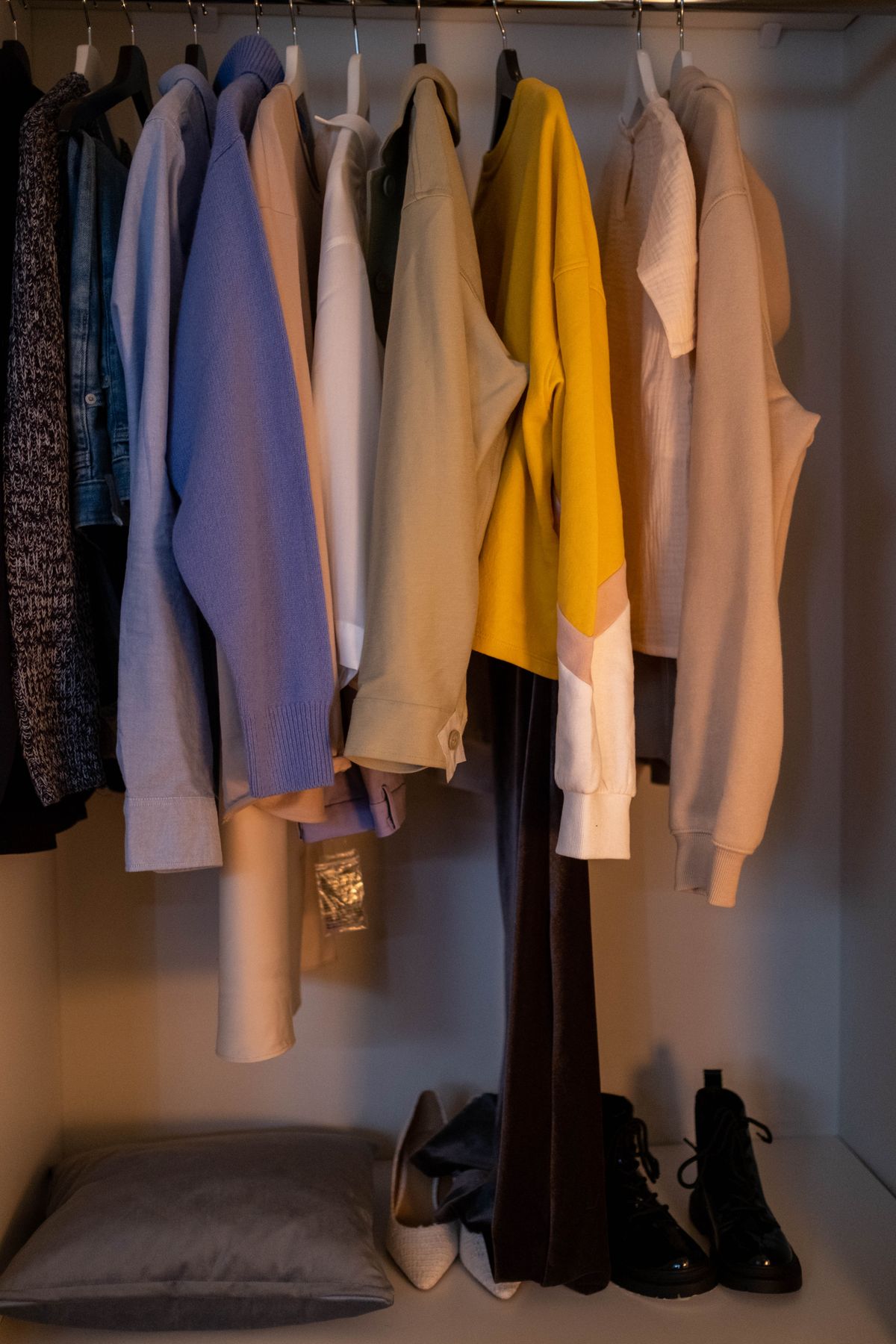
Read the guide ↗Changing seasons does not require emptying every cupboard at once. Move the clothes that are clearly out of season, then make the next few weeks easier to dress for.
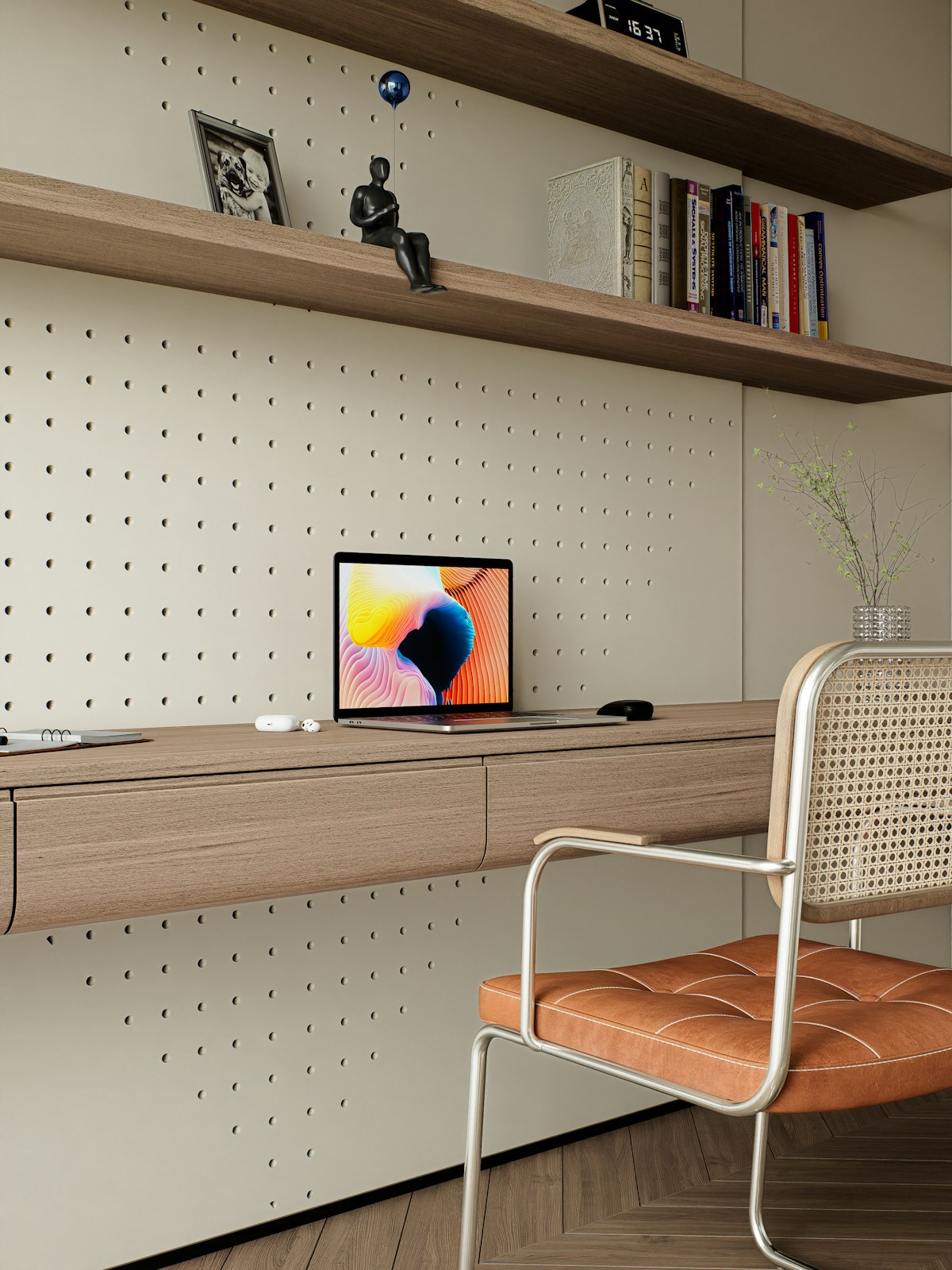
Read the guide ↗The usable size of a desk is the clear space in front of you, not its advertised width. Separate the things you need while working from the things that simply live nearby.
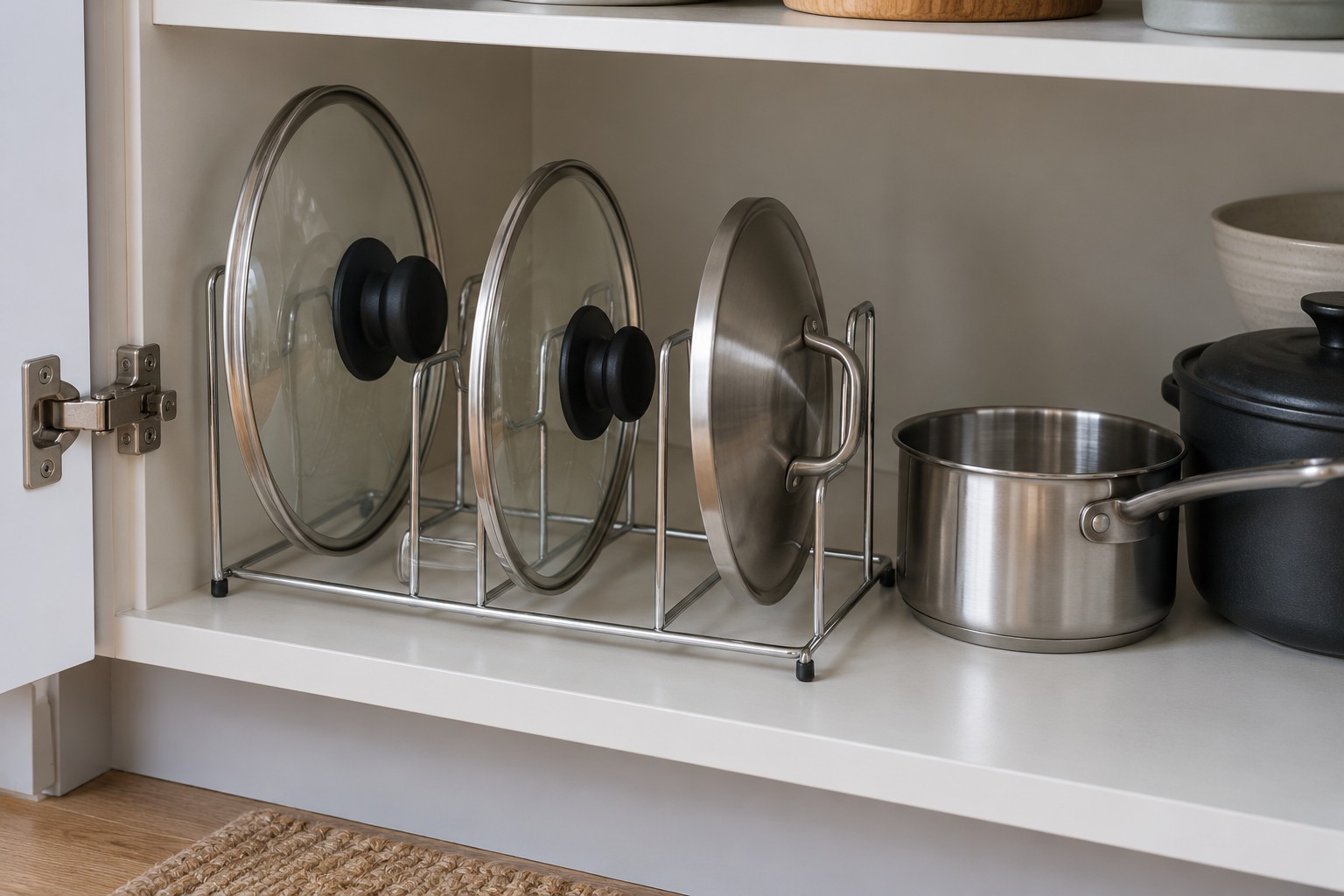
Read the guide ↗Pan lids are awkward because their handles interrupt a neat stack. Match them to the pans first, then choose a layout that lets you lift one without starting a cupboard avalanche.
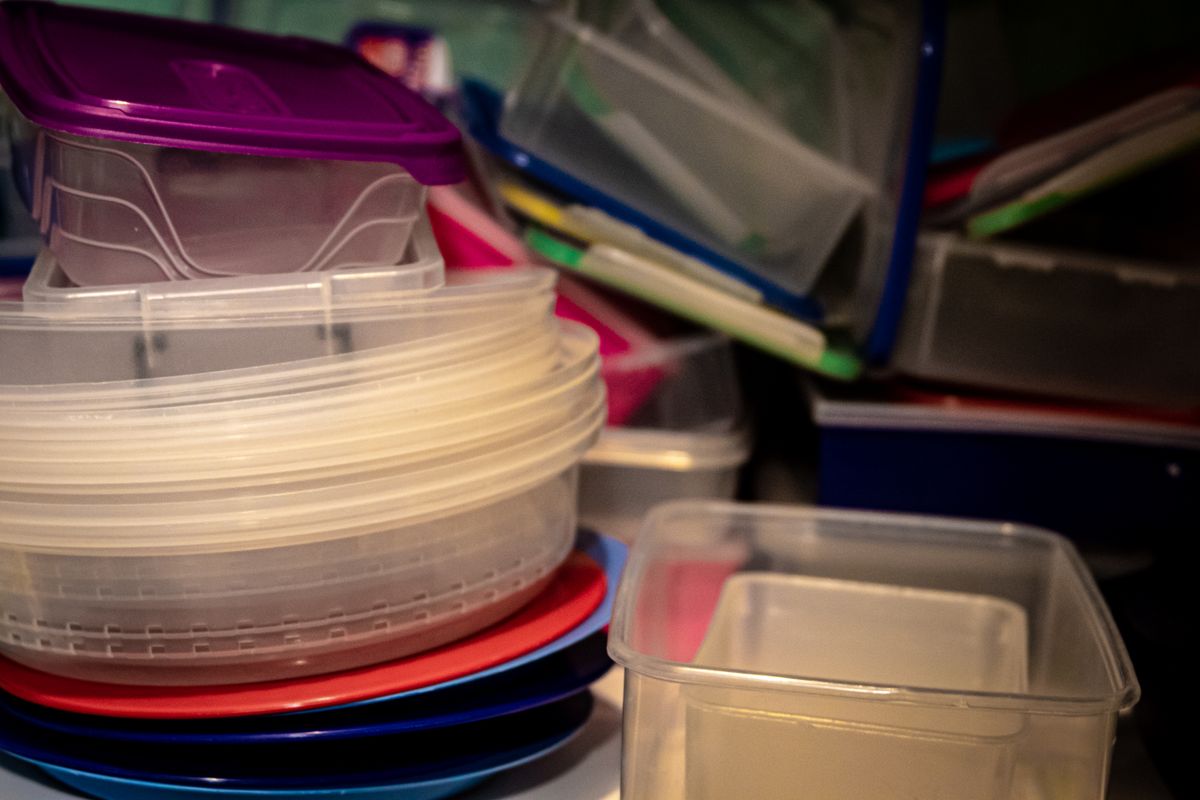
Read the guide ↗Food containers take up more room when their lids are scattered. A quick matching session and a simple size order can recover cupboard space without buying another organiser.
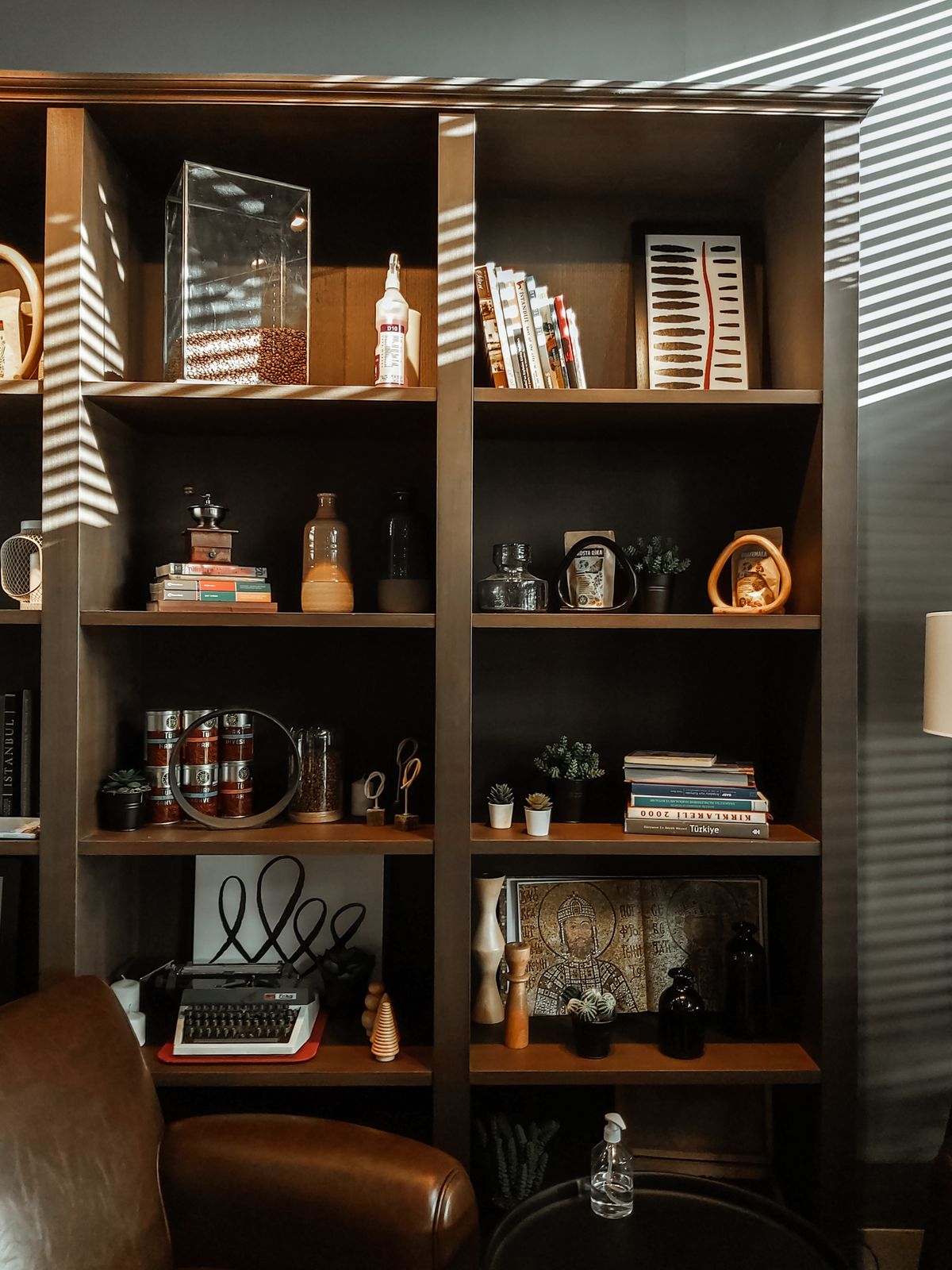
Read the guide ↗A bookshelf should help you find a book and put it back. Begin with the books you reach for, then balance the shelf load and leave some useful breathing room.
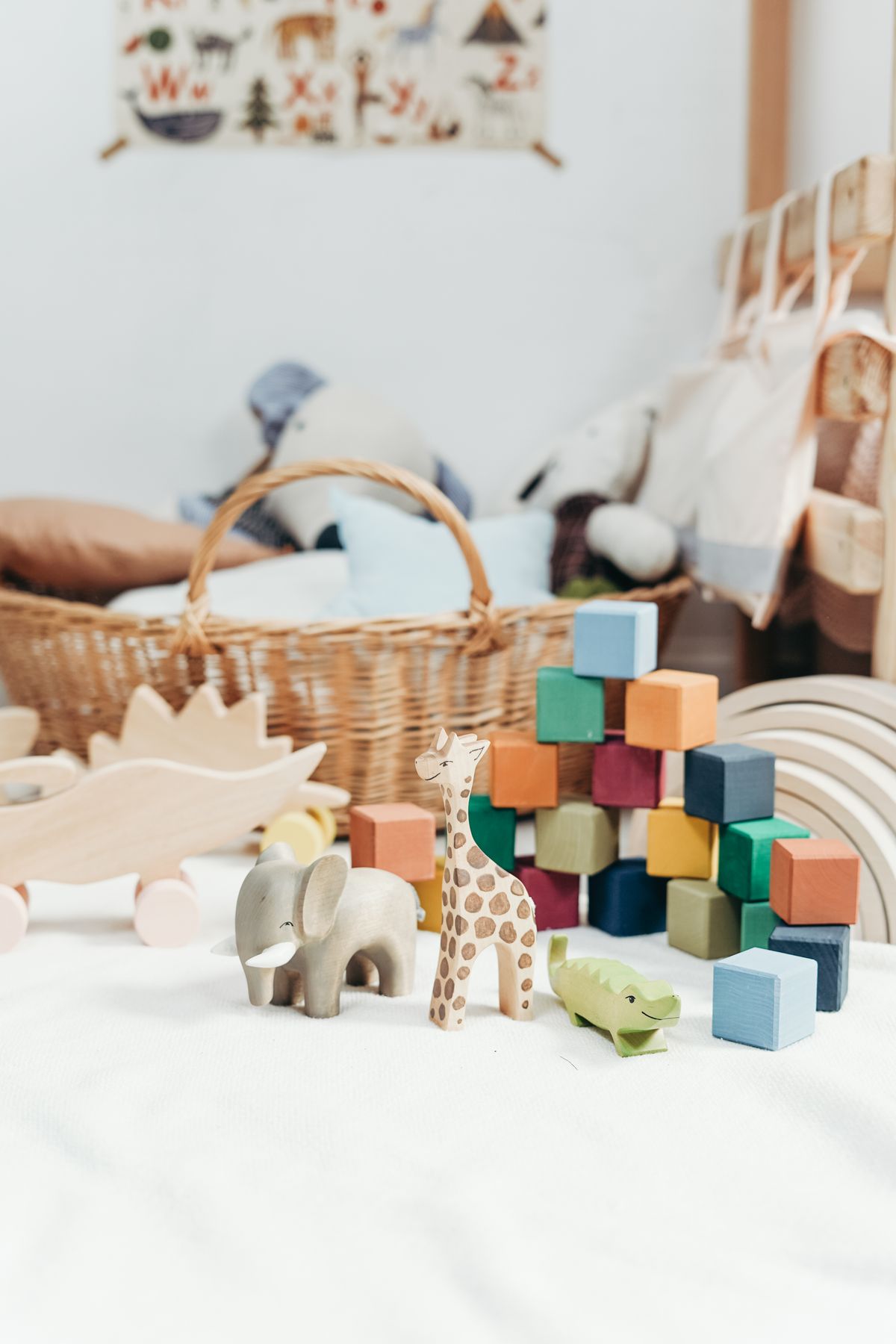
Read the guide ↗A toy rotation is a storage choice, not a rule about how children should play. Keep favourite things accessible and use a modest reserve box for toys that are temporarily out of the way.
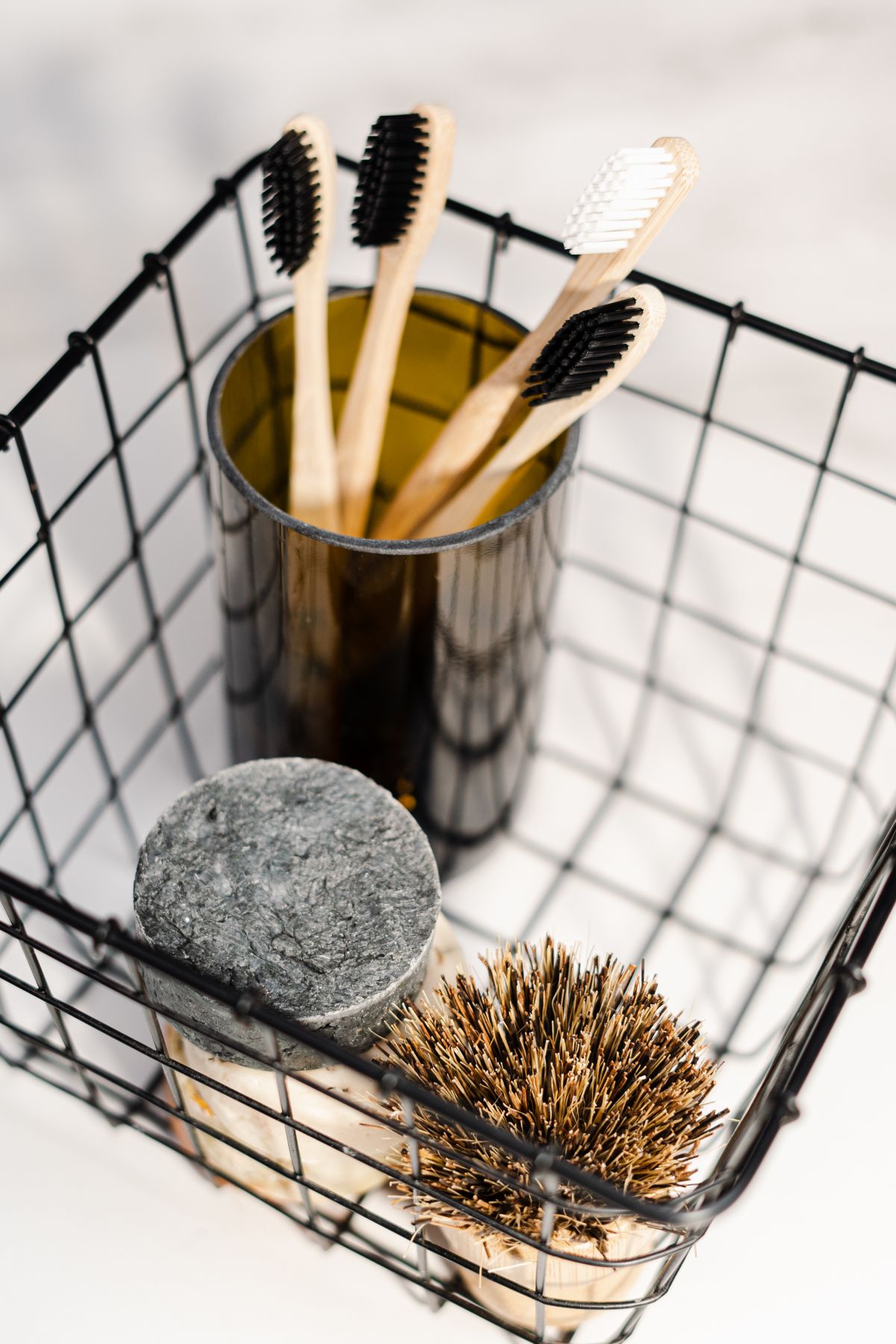
Read the guide ↗A small bathroom feels less crowded when daily products have one place and spares live somewhere else. Choose the contents before choosing a basket.
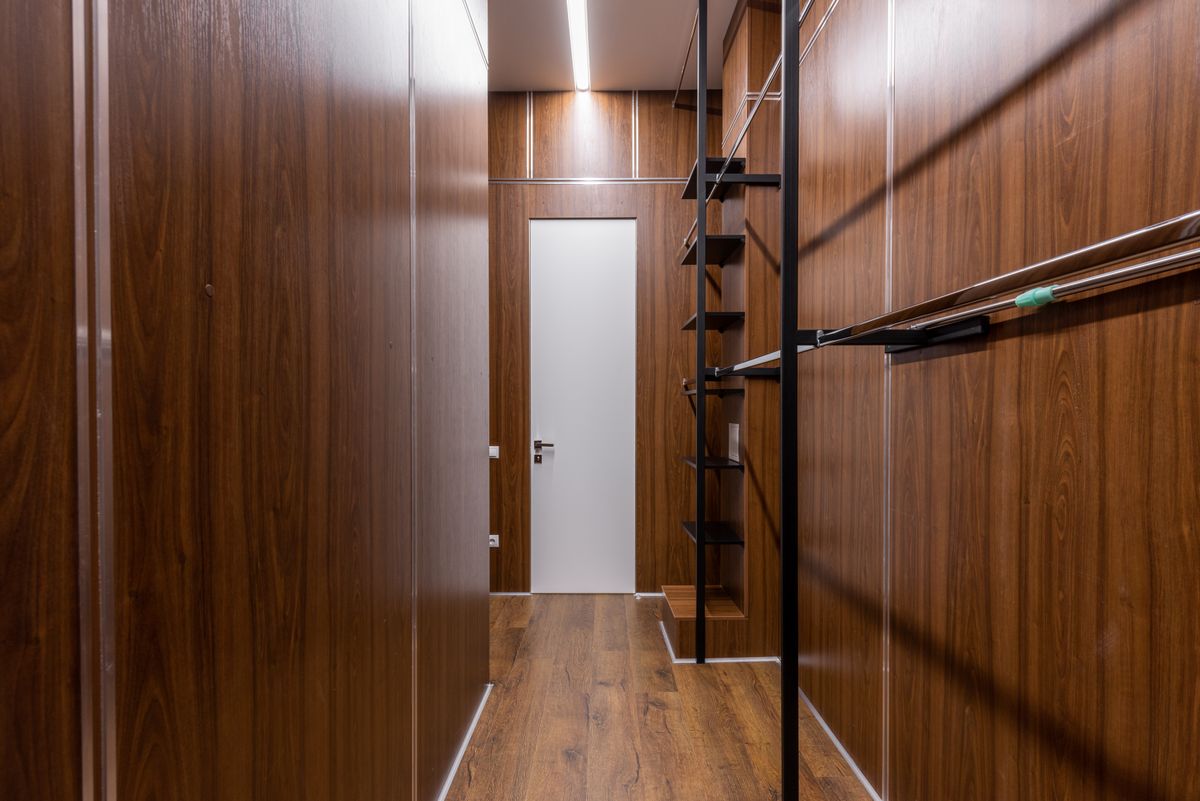
Read the guide ↗In a narrow hallway, preserving the route matters more than adding storage. Measure the awkward spots and test a small freestanding option before committing to new furniture.
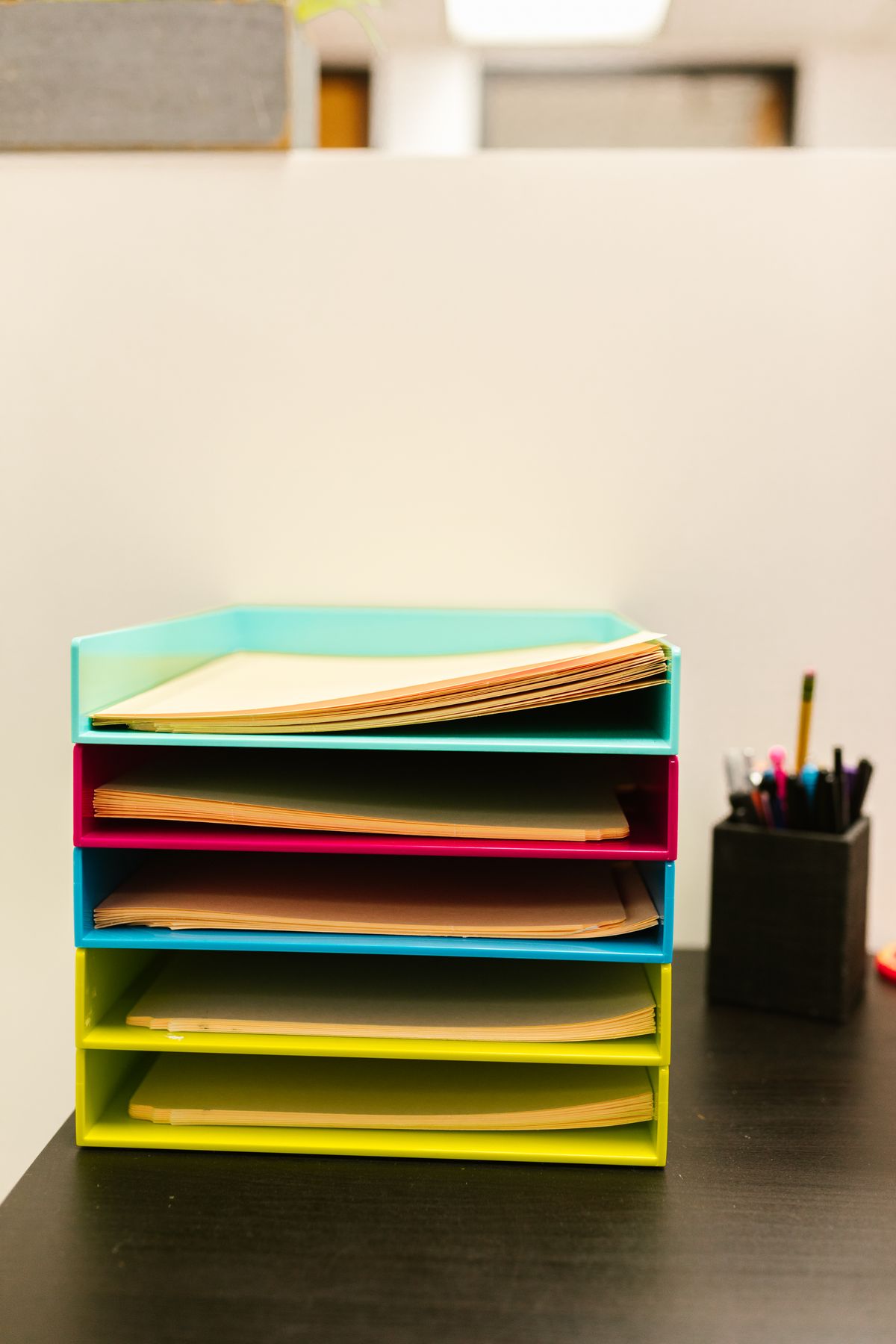
Read the guide ↗A household inbox is a place for papers awaiting a decision, not a permanent home for every document. Give it a clear boundary and a regular moment of attention.
Read the guide ↗A cupboard full of reusable bags is not useful if you leave home without one. Keep a small working set close to your normal departure routine and store the rest deliberately.
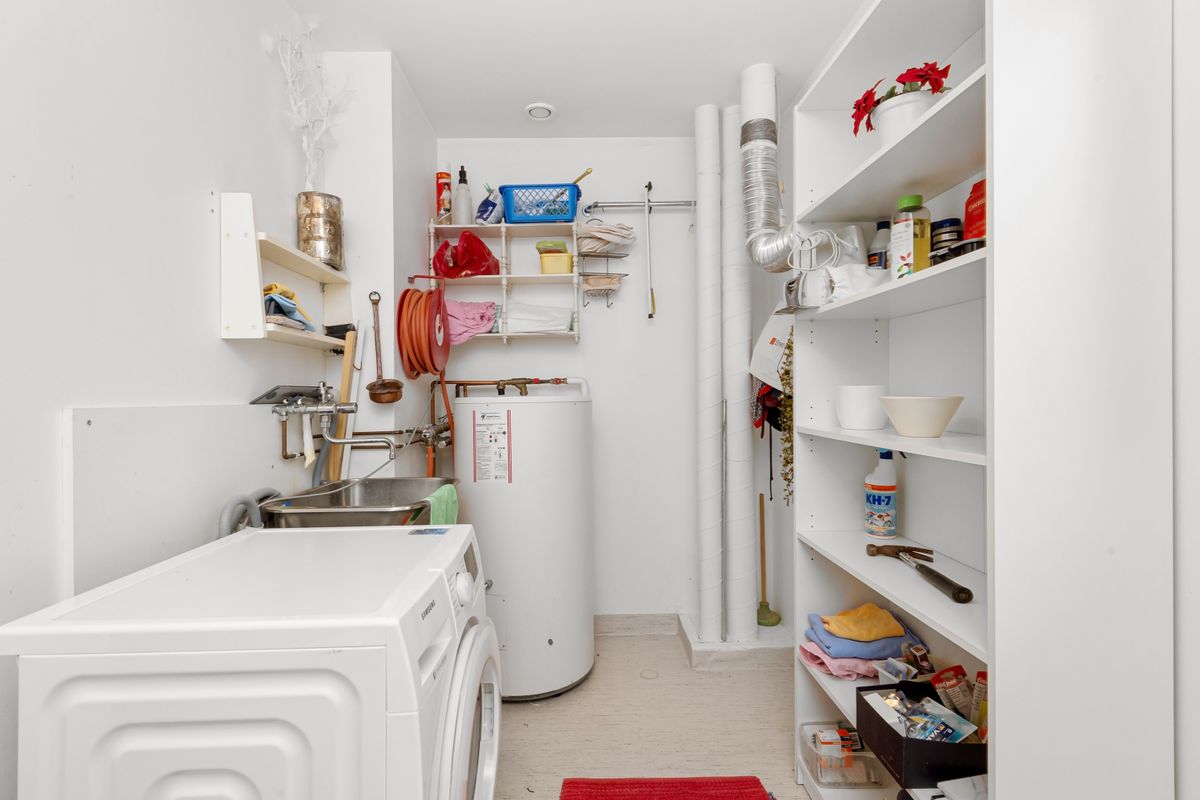
Read the guide ↗A utility shelf becomes easier to manage when it holds one useful group rather than everything that has no other home. Separate laundry supplies, cleaning products and miscellaneous spares.
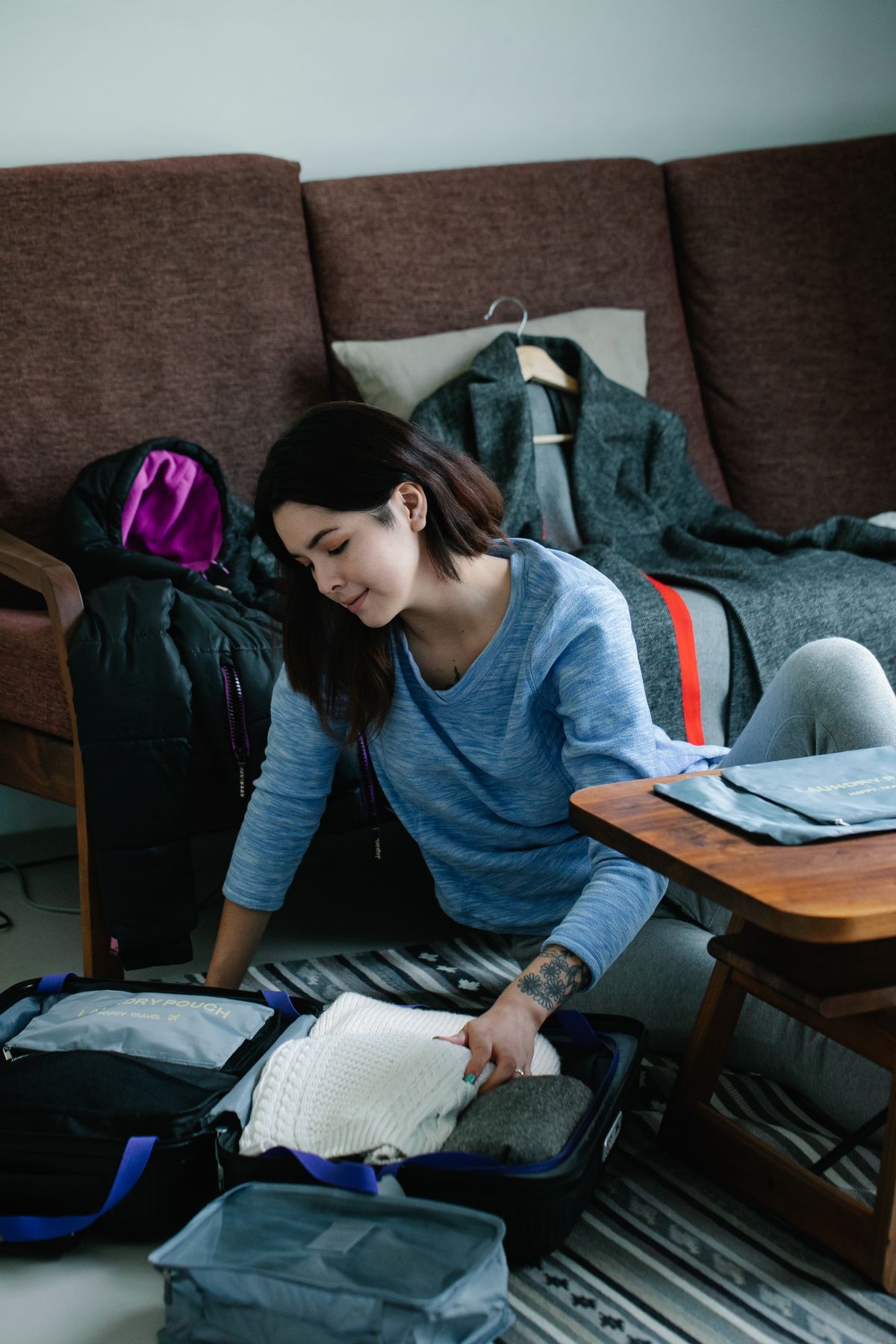
Read the guide ↗An empty suitcase can hold occasional travel items, but it should not become a forgotten cupboard. Dry it, inspect it and keep the contents easy to identify before putting it away.
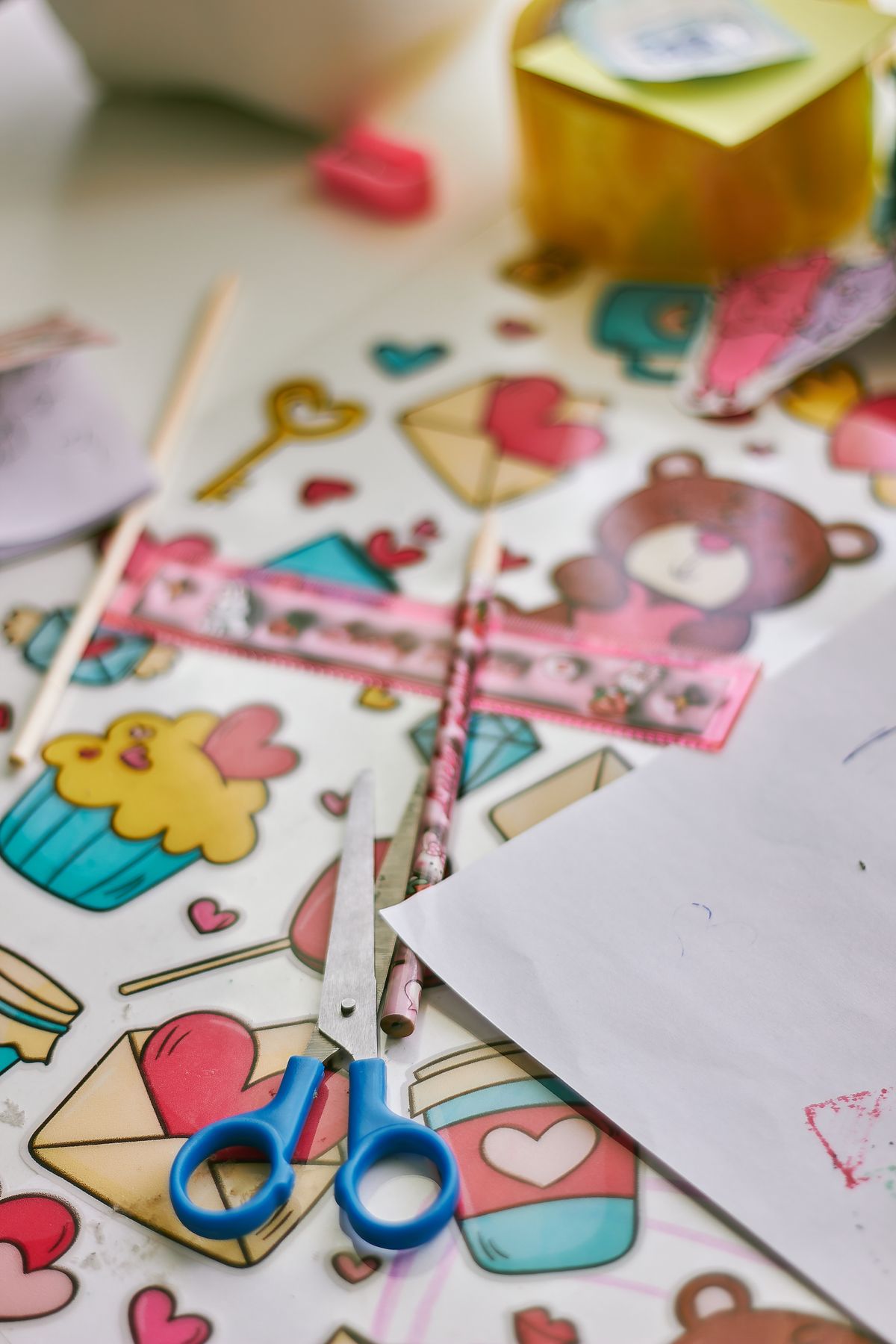
Read the guide ↗A useful craft box makes it easy to begin and easy to stop. Build it around one activity, with a separate place for unfinished work and a realistic limit on spare materials.
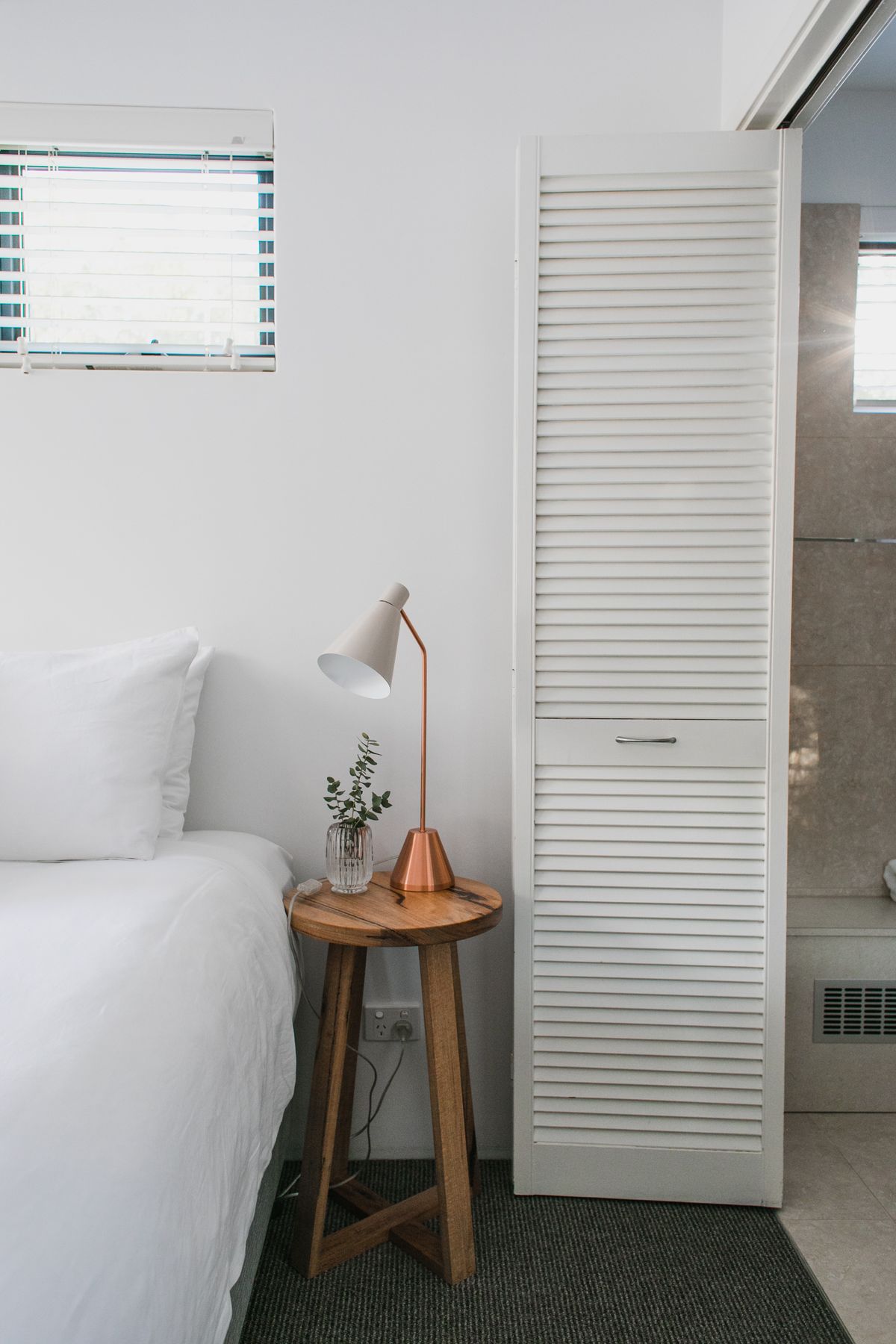
Read the guide ↗A bedside table needs room for a few things you use at night, not a miniature version of every other drawer. Start with the surface, then give the drawer one clear purpose.
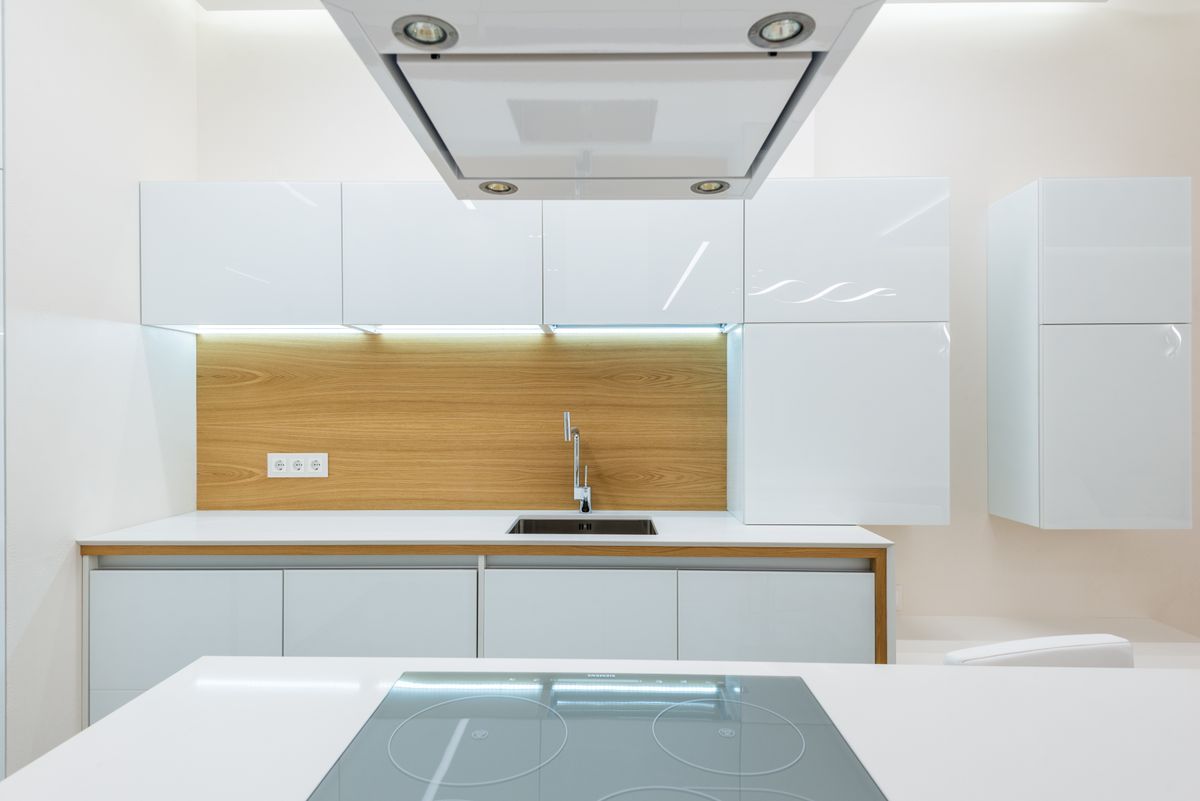
Read the guide ↗A small kitchen can feel more usable when one part of the worktop is genuinely available for preparing food. Decide what that space must do before moving appliances around.
Read the guide ↗Try fewer words or choose another topic.