Find the most useful working area
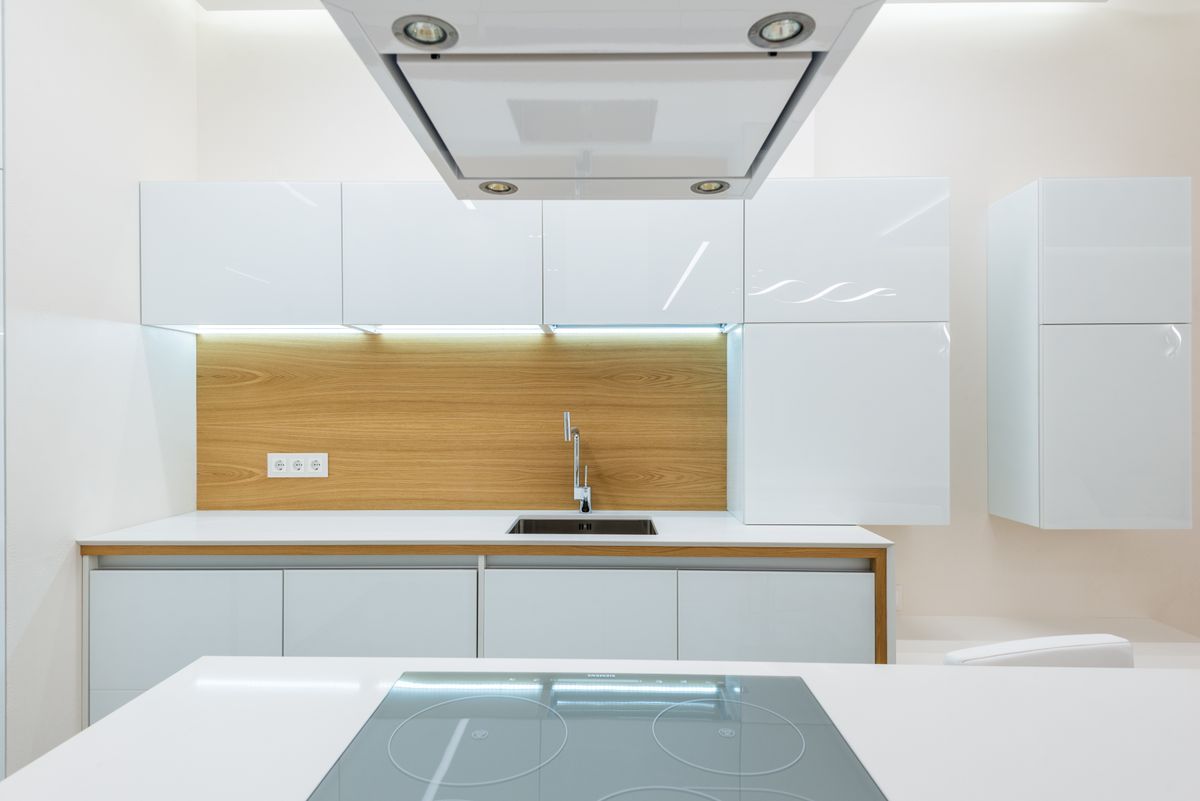
Choose a section with enough room for your usual chopping board and a little space beside it. Consider the route from the sink and food storage, and avoid crowding the hob or blocking a door. Work with the kitchen's existing services rather than stretching appliance cables to create a new layout.
Clear that area completely and try a normal preparation task. If the board rocks or overhangs the edge, the space is not ready. Use a suitable stable surface and keep raw-food preparation separate from ready-to-eat food as appropriate.
Move the occasional items
Keep only appliances and utensils that genuinely earn their place through regular use. Store occasional equipment where it can be retrieved safely, following the manufacturer's requirements for cooling, dryness and handling. Heavy appliances should not be placed where taking them out becomes a lifting hazard.
Group a few daily items in a removable tray if it makes wiping the surface easier. Leave the working zone itself clear rather than filling the newly created gap with decorative storage. Follow appliance ventilation and clearance instructions wherever equipment remains on the counter.
Protect the space during the day
Give post, bags and keys a different landing place so they do not gradually occupy the preparation area. After cooking, clean the surface using a method suitable for its material and return the few items that belong there. A clear zone is easier to maintain when every displaced object has somewhere else to go.
Before you call it done
- The board sits fully on a stable surface.
- Appliance clearances and cables remain suitable.
- Non-kitchen clutter has a separate landing place.
Know the limit. Do not move fixed appliances or alter electrical or gas connections to improve the layout. Those changes require appropriate professional advice.