Measure the route, not only the gap
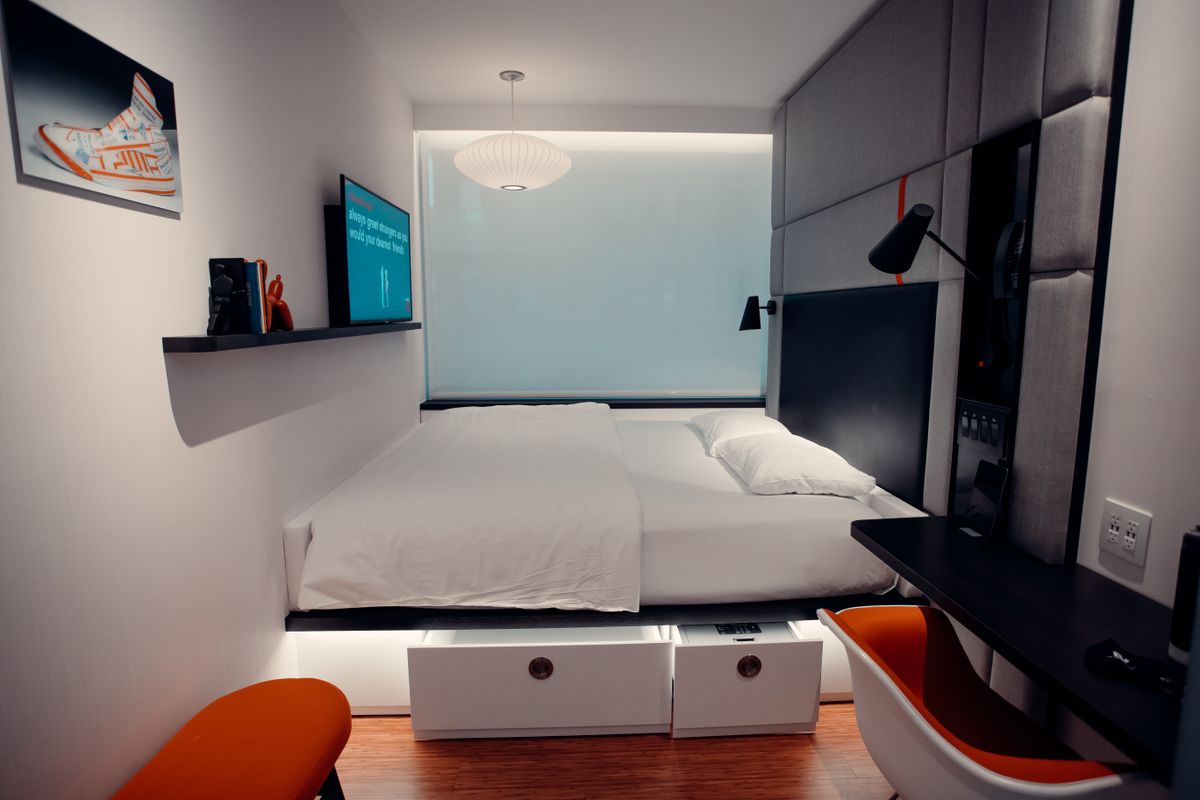
Measure from the floor to the lowest part of the frame, including any central rail. A box may fit beneath the side yet catch on a support further in. Allow room for its lid, handles and any wheels. Check the manufacturer's advice about keeping the area beneath the mattress ventilated.
Consider how far a box must slide before you can open it. A bedside table or rug can make a long container awkward to remove. Smaller boxes pulled from the accessible side may work better than one large box that uses every centimetre.
Store occasional items together
Choose clean, dry items that you do not need several times a day: spare bedding, seasonal shoes or an occasional bag. Avoid mixing these with paperwork you regularly search for. Use a label on the outward-facing end so you do not have to remove every box to find one item.
Leave fragile objects and heavy books elsewhere. Filling a shallow box until it bows makes it harder to pull and can damage its lid or the floor. Check that the container moves without scraping before loading it fully.
Leave a cleaning route
Keep the boxes separate from bed mechanisms and allow them to come out for vacuuming. Inspect the contents occasionally for dust or damp rather than treating the area as permanent sealed storage. If a room has recurring moisture problems, investigate those before storing textiles under the bed.
Before you call it done
- The box clears the lowest frame rail.
- Handles face the accessible side.
- The floor can still be cleaned.
Know the limit. Do not obstruct an adjustable bed mechanism, ventilation opening or anything specified as a clear space in the bed instructions.