Clear the working zone first
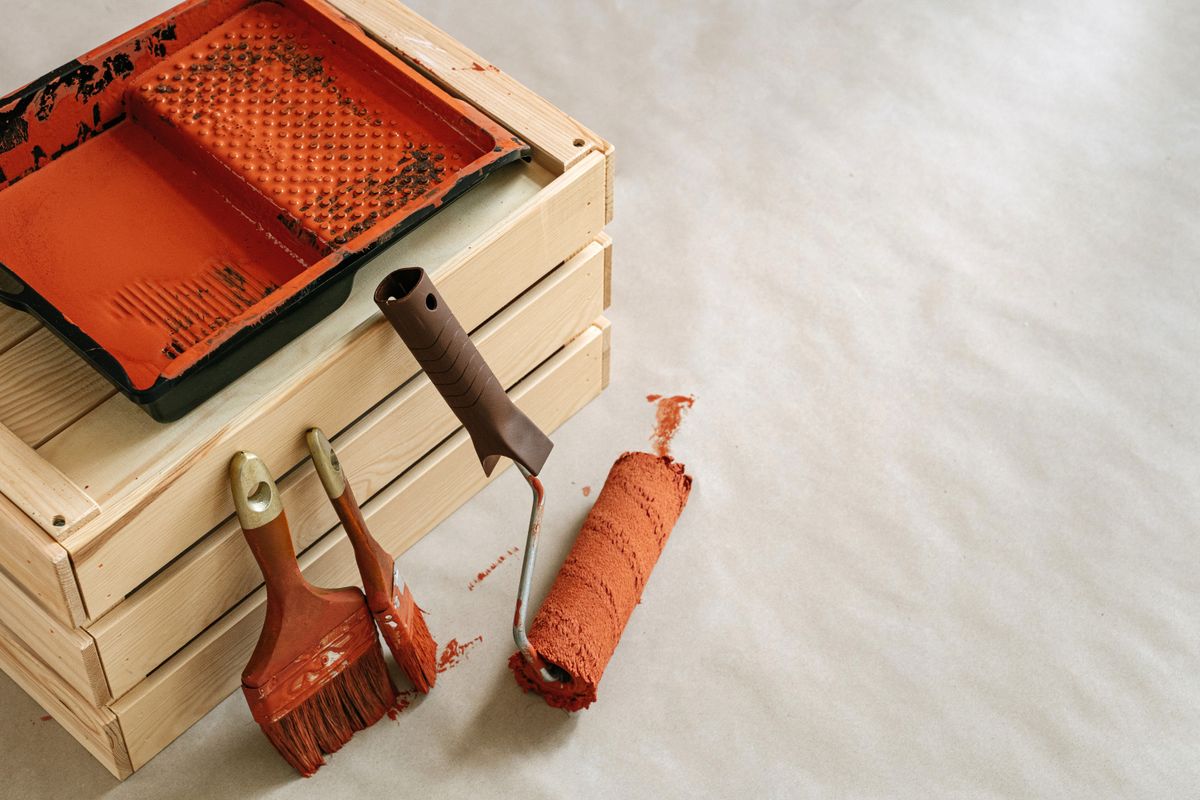
Remove small objects, textiles and breakables rather than trying to work around them. Move manageable furniture away from the area with suitable help, keeping exits and normal access clear. Note sockets, switches and fixed fittings, but do not remove electrical covers for a decorating shortcut. Choose a place for the paint, tools and waste where they cannot be knocked over by a door. Keep children and pets out of the active work area.
Match covers to the floor and task
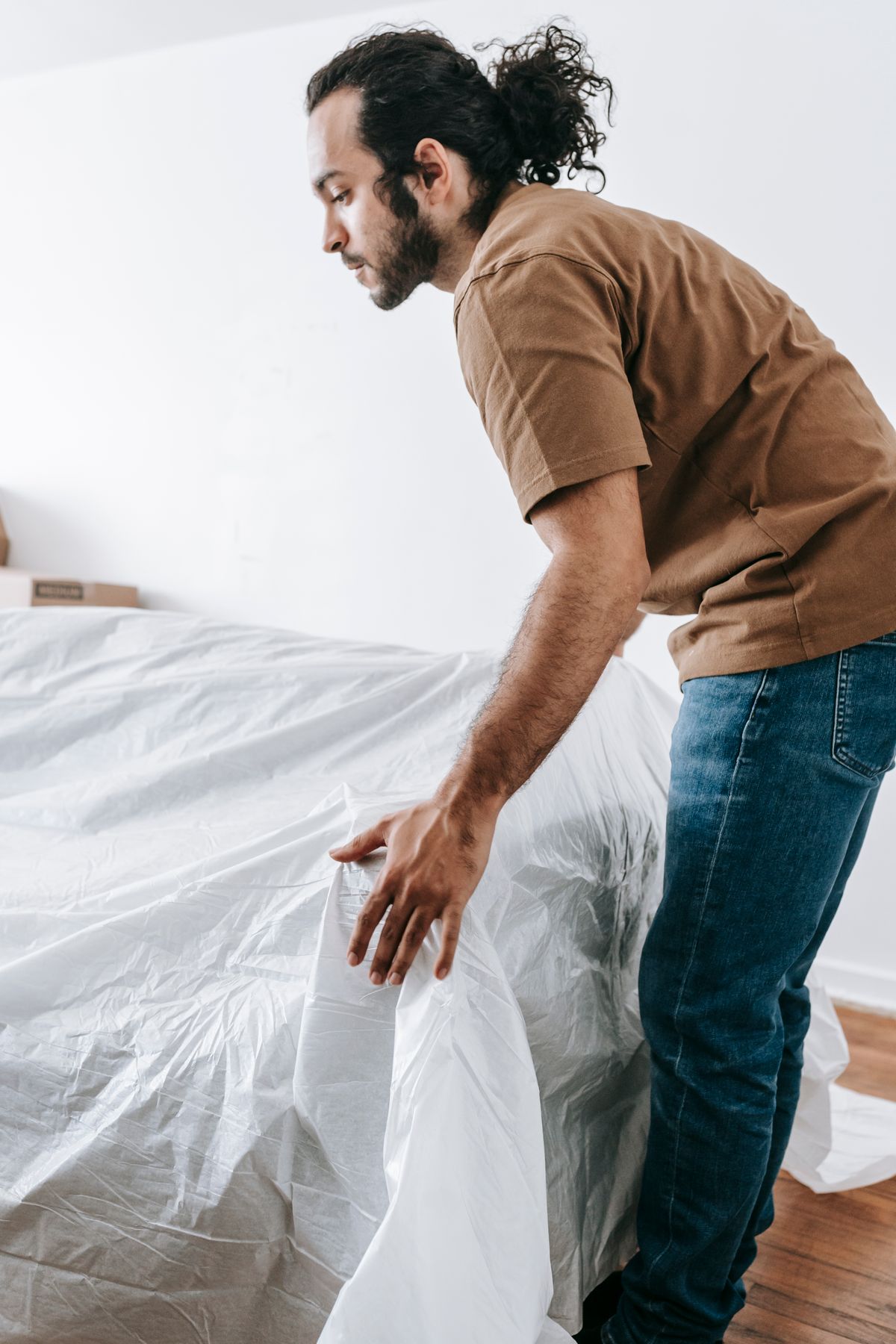
Use a suitable protective sheet that stays flat and does not allow liquid through to a vulnerable surface. Check any backing for compatibility with the flooring. Secure edges only with a tested method that will not leave residue, and avoid raised folds across the walking route. A small rigid tray beneath the paint container can help contain drips. Keep coverings away from heaters and other sources of ignition, following the paint product's safety instructions.
Plan a clean route out
Arrange tools so you do not need to step over an open tin to answer the door. Keep a compatible spill-cleaning method ready before opening paint, and deal with a spill according to the product and surface guidance rather than spreading it with a wet cloth. When finished, inspect shoe soles and tool handles before leaving the protected area. Fold covers inward carefully only after wet spots are controlled, and check beneath them for unnoticed seepage.
Before you call it done
- Keep exits and walking routes clear.
- Check cover backing against the floor finish.
- Inspect shoes before leaving the work area.
Know the limit. Follow paint ventilation and handling instructions; do not disturb electrical fittings or suspect old coatings.