Prepare comparable sample boards
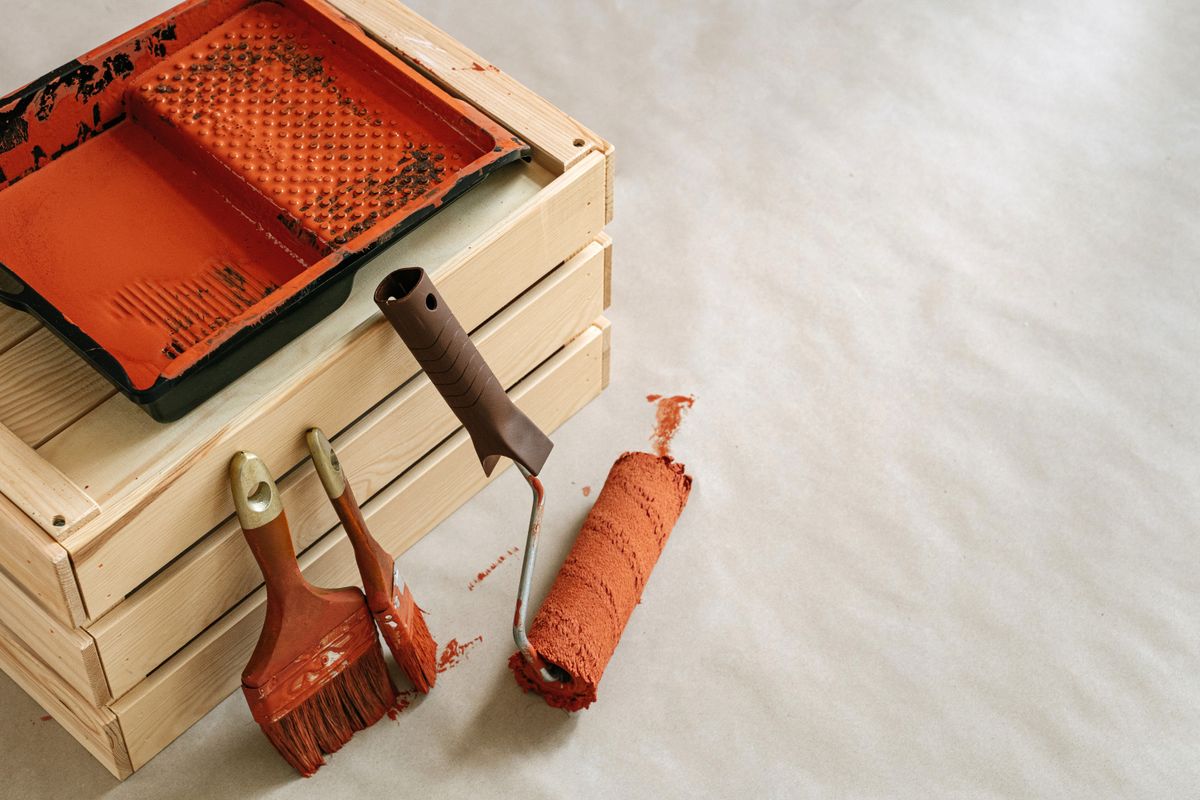
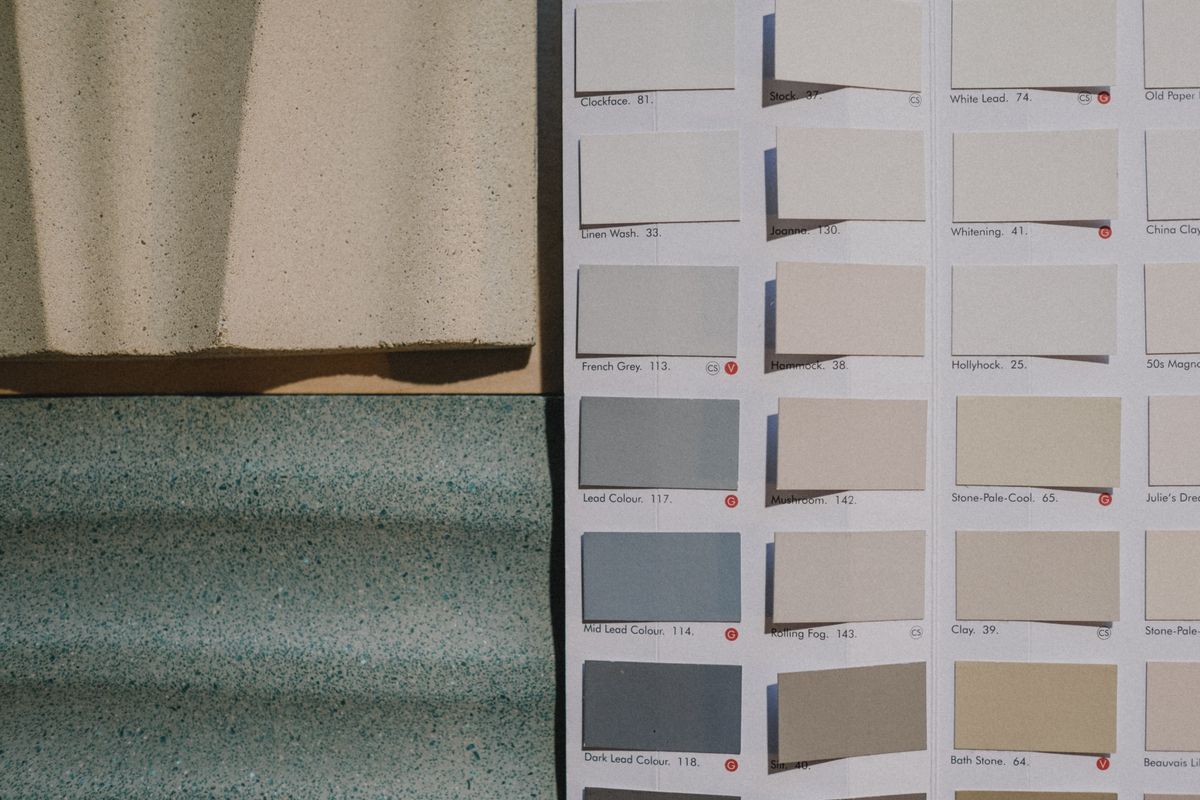
Choose a suitable sample board or card recommended for paint testing and label the back with the paint name, finish and date. Use the preparation and coat instructions for the tester product rather than assuming one thin coat represents the finished result. Keep samples separate so their edges do not merge into a distracting patchwork. Protect the working surface and allow each coat to dry as directed before deciding that the colour looks too pale or uneven.
Move the sample through the room
Place the dry board upright near the intended wall and look at it beside the flooring, curtains and large furniture that will remain. View it in daylight and under the lamps normally used in the evening. Move it between a bright and shaded area rather than comparing colours only beside a window. Keep the board clear of heat sources and do not fix it with an adhesive that could damage the existing decoration.
Make a decision from the whole scheme
Compare a small number of finalists at a time, with space between them. Note whether you dislike the colour itself or its relationship with a nearby finish. A sample board is a useful preview, not a guarantee that a whole wall will look identical: surface texture, sheen and surrounding colour still matter. Keep the selected labelled board and product information for the actual decorating stage, including the intended finish rather than only the colour name.
Before you call it done
- Label colour and finish on the back.
- Use the product's full sample-coat process.
- Check daylight and normal evening lighting.
Know the limit. Follow paint ventilation and handling instructions; keep wet boards away from children, pets and food preparation.