Decide what you need to remember
Write the plant name and variety where known. For seeds or cuttings, add the sowing or propagation date if it helps you track the batch. Avoid an elaborate code unless you also keep an accessible key that another person could understand.
Keep a separate simple record of important names or positions. A label can fade, move or disappear, and relying on one small piece of plastic or wood makes a whole planting difficult to identify later.
Match the label and marker
Choose a material intended for the exposure it will receive and a marker suited to that surface. Clean and dry the label before writing. Test a sample for legibility and smudging, following any drying time in the marker instructions.
Use lettering large enough to read without disturbing the plant. Write on a stable surface rather than trying to mark a label already pushed into compost. Keep sharp or splintered improvised materials out of accessible pots.
Position it without harming growth
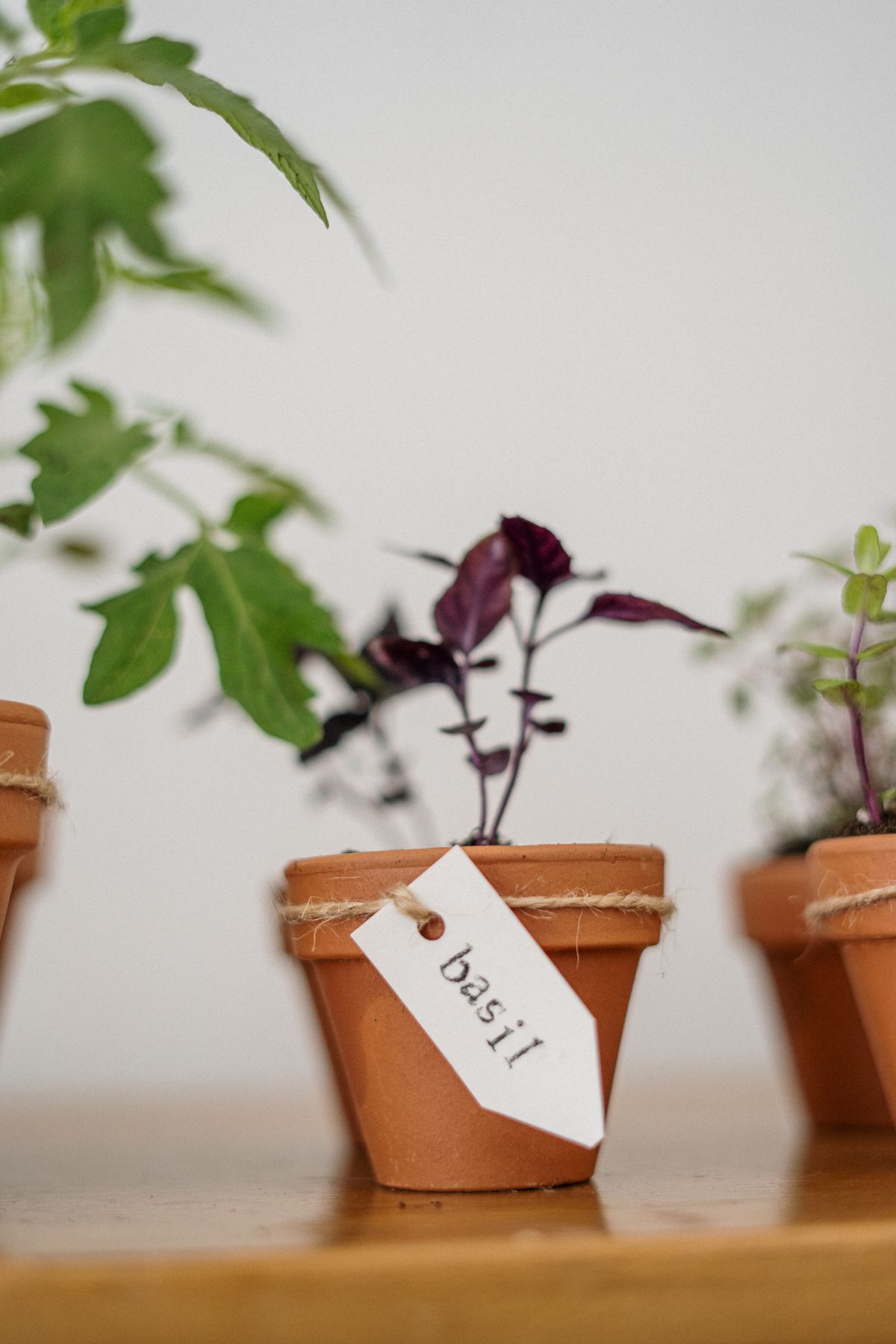
Place the label where it is visible but not in the way of watering or ordinary handling. Avoid tight loops around stems that may thicken as the plant grows. If using a tie-on label, follow suitable horticultural guidance and check it periodically. Review labels during routine watering, replacing faded ones while you still remember what they refer to.
Before you call it done
- The name is readable without moving the plant.
- The marker suits the label surface.
- The position or attachment allows room for growth.
Know the limit. A label does not make an unidentified plant safe to eat. Verify edible plants independently and keep hazardous plants appropriately managed.