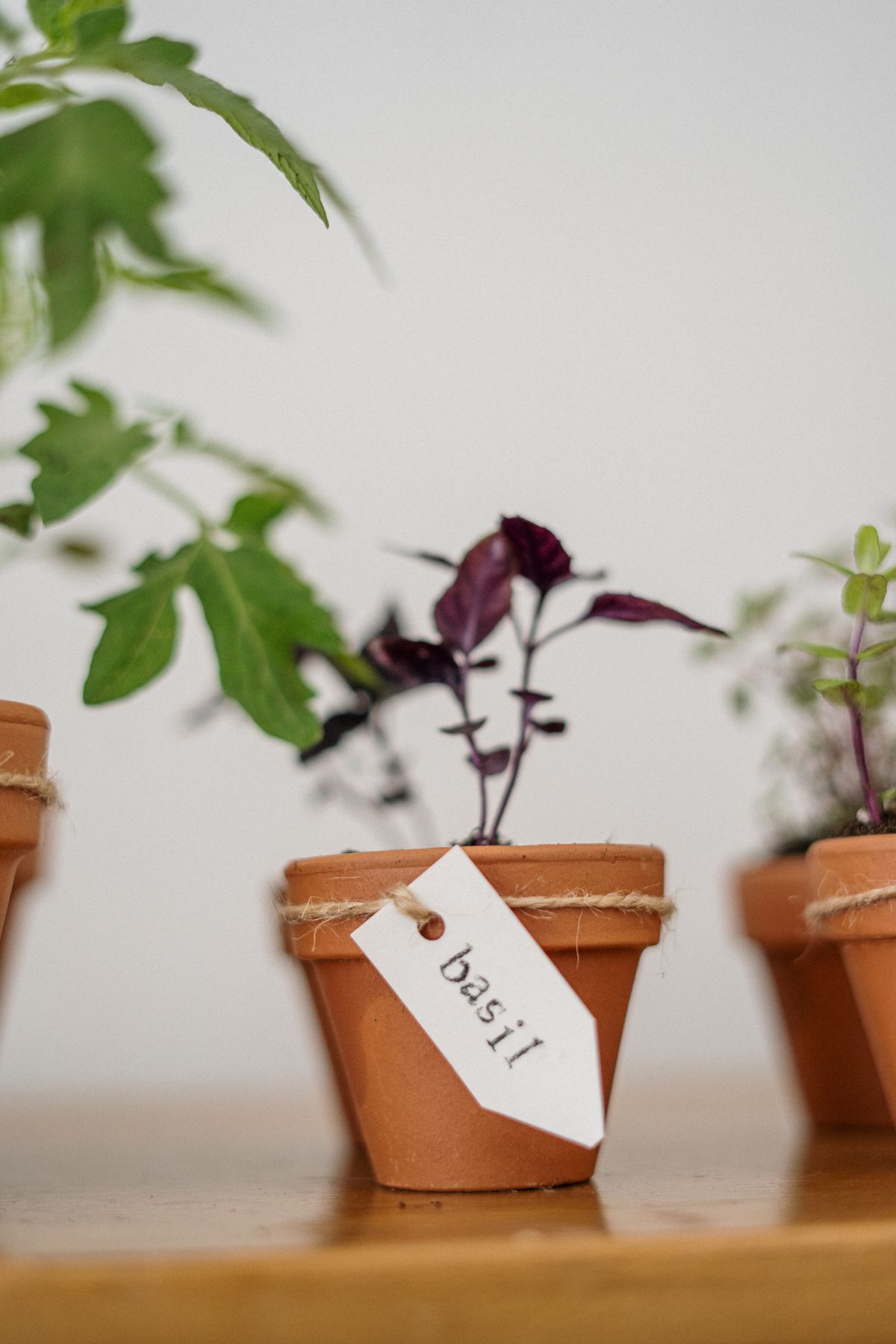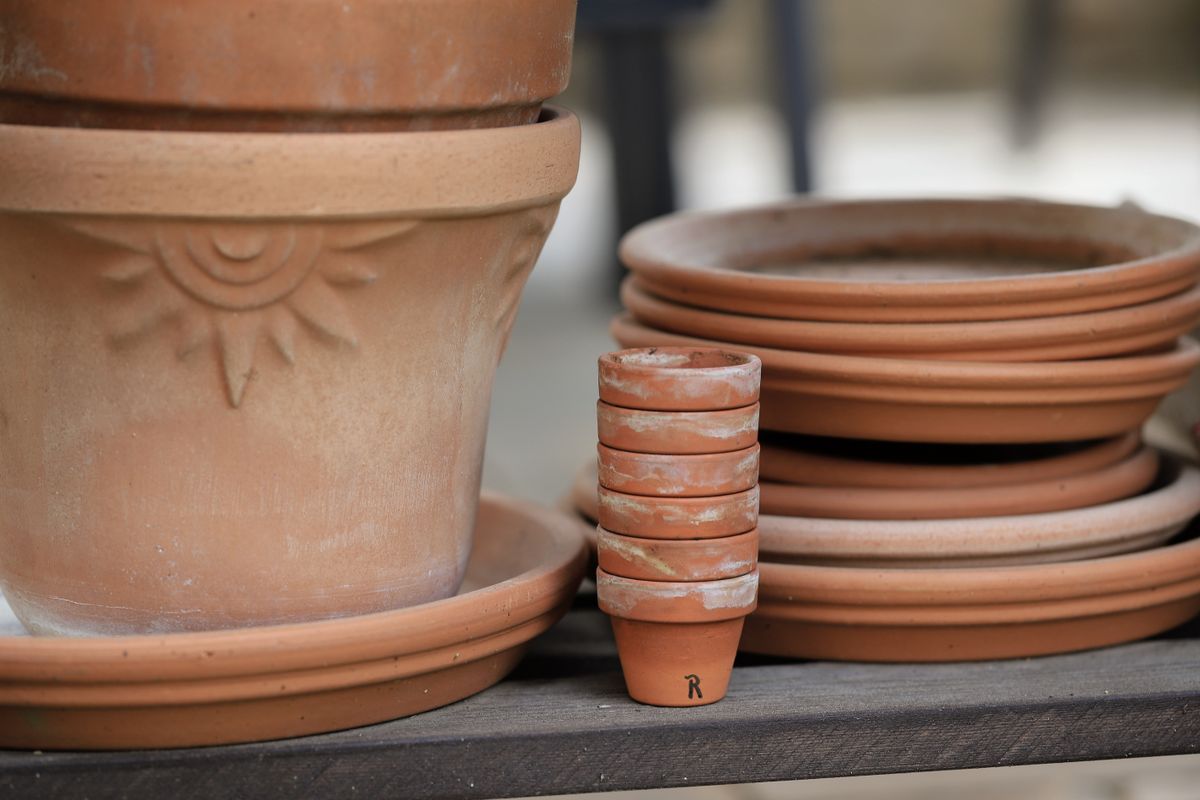
Empty and inspect each pot
Remove loose compost and plant debris into an appropriate garden-waste collection. If the previous plant had a disease problem, seek plant-specific guidance before reusing the container or its contents. Routine tidying does not cover every plant-health situation.
Check rims and bases for sharp cracks. Handle damaged ceramic pots carefully and keep fragments out of a storage stack. A small crack may spread with movement or freezing conditions, so do not assume it will remain harmless.
Clean for the material
Use water and a suitable brush for ordinary dirt where the pot material permits. Avoid harsh products or wire brushes on coated, delicate or decorative surfaces. Follow the product guidance if a treatment is needed rather than mixing a homemade chemical cleaner.
Let pots dry before stacking, including water trapped around the base. Separate any saucers and clean them too. Check drainage holes while you can see the inside and remove loose obstructions without damaging the pot.
Build a stable, loose stack
Nest only pots that fit without pressure. A suitable dry separator can keep fragile rims from knocking, but do not force a tall stack to fit a cupboard. Keep heavier containers low and store materials vulnerable to frost in an appropriate protected place. Leave enough room to lift a pot straight out rather than twisting it against its neighbour.
Before you call it done
- Cracked or sharp containers are separated.
- Pots and saucers are dry.
- The stack is low, stable and easy to separate.
Know the limit. Do not force stuck fragile pots apart with sharp tools or extreme temperature changes. Avoid lifting a tall nested stack as one load.