Start with an empty can
Empty ordinary residual water in a suitable place and check what has collected inside. If the can has held a treatment product, follow that product's disposal and cleaning instructions instead of emptying it casually into a drain or onto plants.
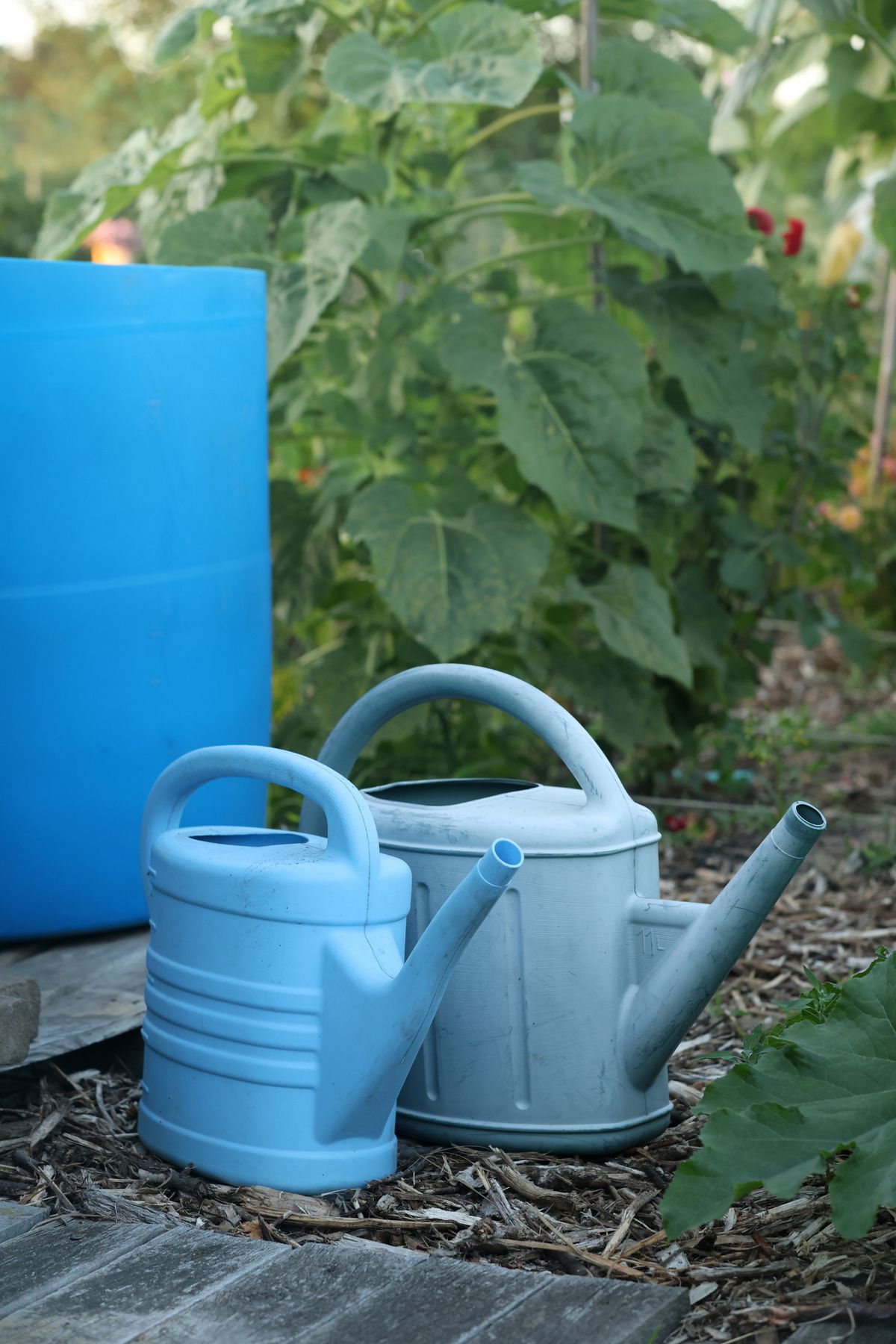
Inspect the body, handle and spout for splits or loose joints. A full can is heavy, so a weakened handle is not a minor inconvenience. Replace or repair the item appropriately before filling it again.
Remove loose debris gently
Rinse out leaves and grit using a small amount of clean water. A soft brush may help where you can reach safely, but avoid abrasive tools on a coating or fragile surface. Do not put a hand through a narrow opening where it could become trapped or cut.
Remove the rose only if it is designed to come off. Rinse debris out and follow the maker's advice for clearing holes. Forcing a metal point into them can alter the spray pattern or damage the fitting.
Test before returning it to storage
Add a modest amount of water and check that the rose seats correctly and pours evenly. Empty the can after use where appropriate, then store it securely so it does not collect debris or create an obstacle. Keep any can dedicated to treatment products clearly separate from the one used for ordinary watering.
Before you call it done
- The body and handle are sound.
- Loose debris is removed from the can and rose.
- The first test pour is even and controlled.
Know the limit. Do not mix garden treatments or improvise chemical cleaning recipes. Follow the labels for any substance previously used in the can.