Identify the inner and outer pots
A nursery pot with drainage holes may be sitting inside a decorative cover with no outlet. Water can leave the inner pot but remain trapped in the cover. Where the plant is small enough to handle comfortably, lift the inner pot out and check the space beneath it. Do not tip or lift a heavy planted container on your own.
For a container planted directly, look for an unobstructed drainage opening. Do not assume that an indentation in the base is already a hole. Follow the pot maker's instructions rather than trying to drill a planted, brittle or unstable container.
Look at where the water goes
Clear loose leaves from around the base without pushing debris into the outlet. Suitable pot feet can keep a drainage hole from sitting flush against a solid surface, but the container must remain level and stable. Avoid makeshift towers of small offcuts.
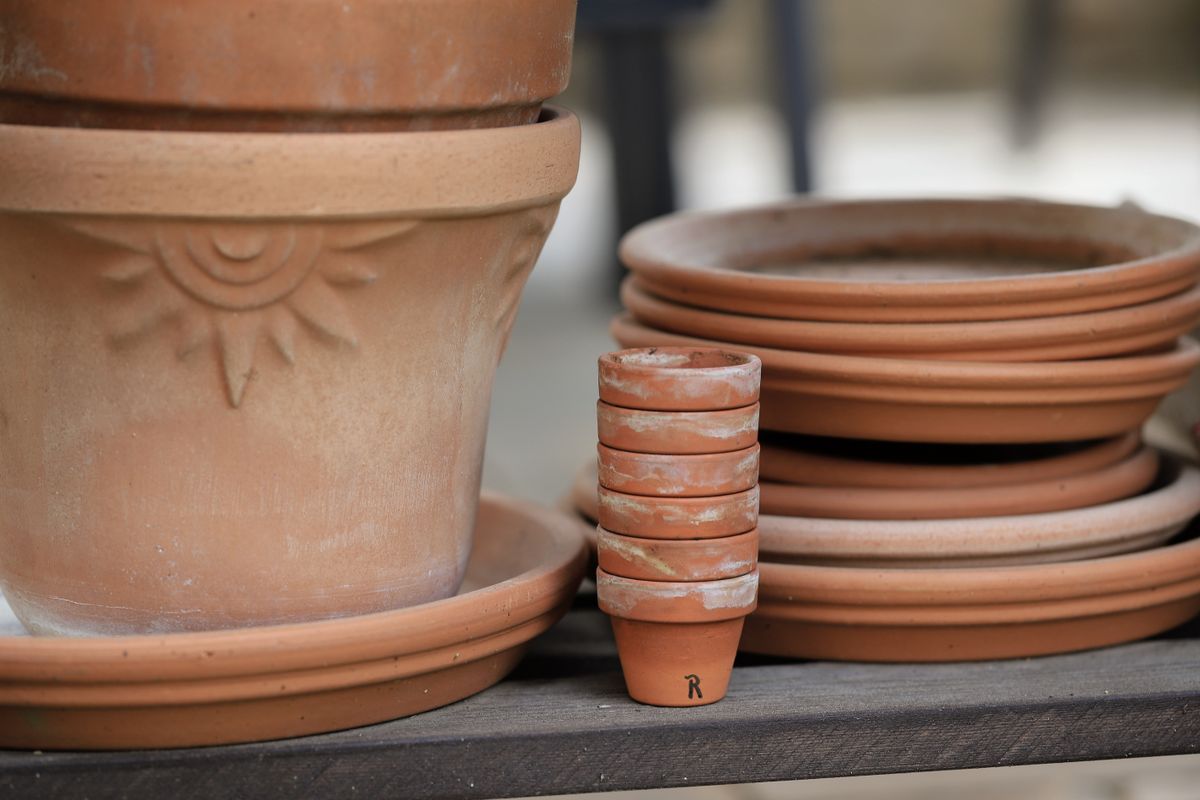
Check saucers after rain. Whether a plant benefits from retained water depends on its needs and the weather; do not leave an ordinary pot sitting in standing water by default. On a balcony, keep runoff away from neighbours, door thresholds and walking routes.
Check the compost before watering again
Look below the dry-looking surface rather than following a fixed daily watering habit. Compare the moisture with what that plant needs. If water repeatedly pools on top, the pot stays saturated or the plant declines, investigate the compost and roots with suitable plant-specific guidance instead of simply adding more water.
Before you call it done
- The drainage outlet is present and unobstructed.
- Any outer cover or saucer has been checked.
- The pot stands securely and runoff has a safe route.
Know the limit. This is a container check, not a diagnosis of plant disease. Leave very heavy pots in place and seek help if moving them is necessary.