Clear the bowl and identify the finish
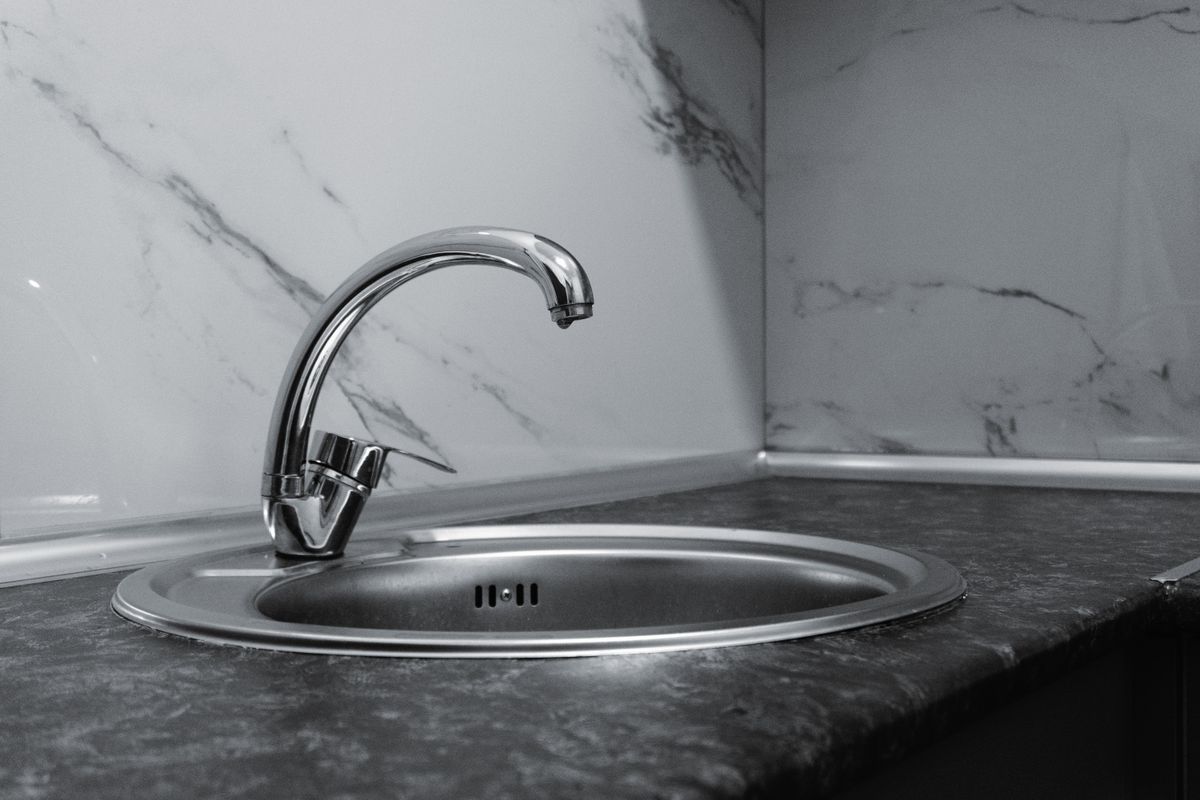
Remove dishes, the washing-up bowl and removable accessories so you can see the sink surface. Stainless steel, ceramic and composite sinks are not interchangeable when it comes to care. Check the maker's guidance, particularly for coloured finishes or protective coatings. Lift accessible food scraps into the bin rather than pushing them into the drain. Use a dedicated suitable cloth or soft sponge, not an abrasive pad borrowed from a different task.
Clean the surfaces you can reach
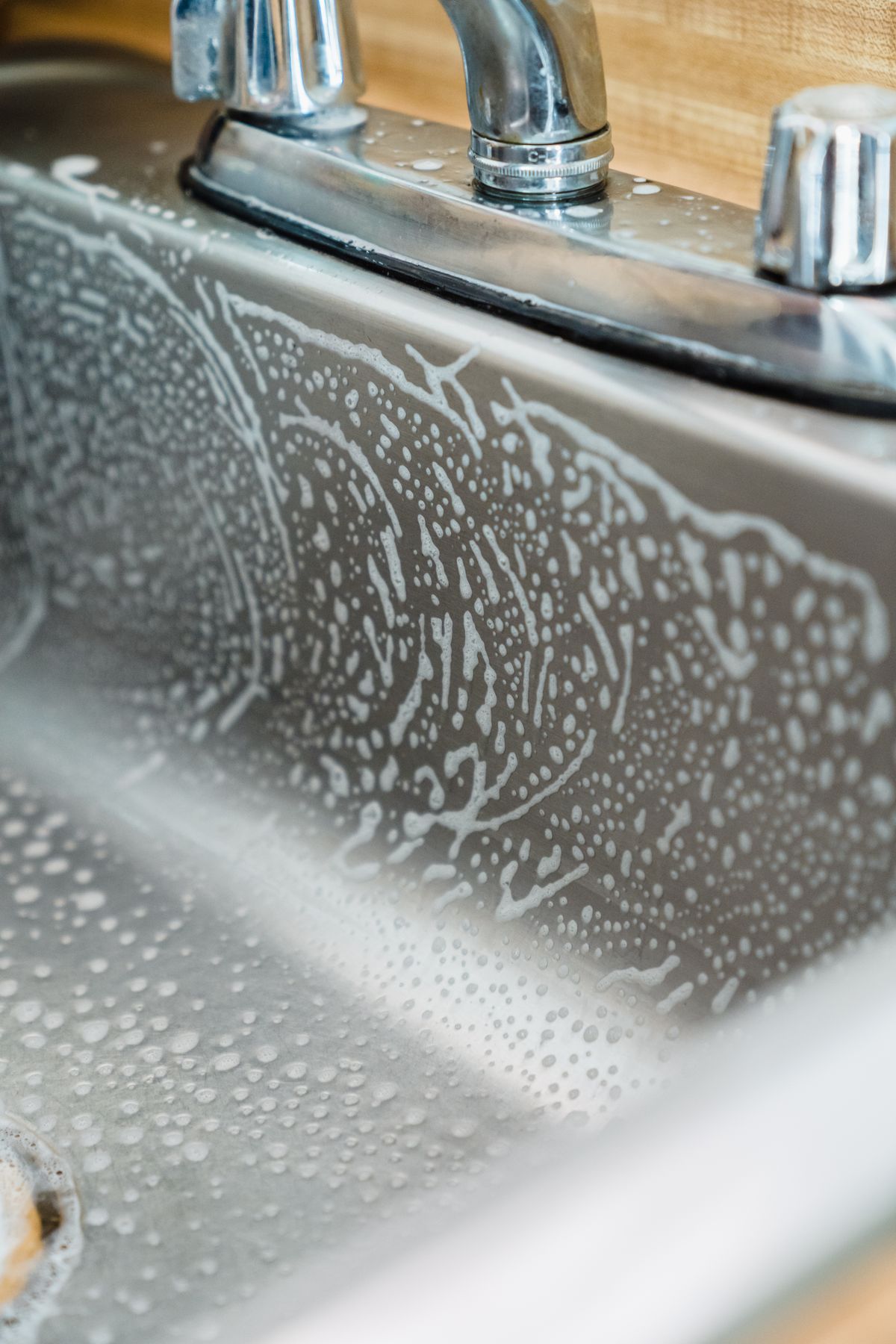
Use a compatible mild cleaner according to its label, working around the bowl, rim and accessible strainer. Pay attention to the area beneath a removable bowl, where residue can collect unnoticed. Keep water from pooling against an unsealed worktop edge. Clean the tap exterior only by its own finish instructions; a product suitable for the sink may not be right for plated fittings. Avoid dismantling anything as part of this everyday routine.
Rinse, dry and reset
Rinse away residue as directed and wipe accessible surfaces dry, especially where the sink meets the surrounding worktop. Wash or replace the cloth as appropriate and let it dry away from the clean-dish area. Return only clean accessories to the sink. If odour, slow drainage or a leak persists after the visible surfaces are clean, treat it as a separate issue. Adding several drain products is not a safe or reliable extension of a wiping routine.
Before you call it done
- Match the cleaner to the sink material.
- Remove food scraps before wiping the bowl.
- Dry the rim and vulnerable worktop edges.
Know the limit. Do not mix cleaning chemicals or dismantle plumbing during this routine. Persistent drainage problems or leaks need a suitable assessment rather than stronger improvised treatments.