Empty and measure the usable base
Remove contents and inspect the drawer for sharp fixings, rough patches or damp. Measure the actual flat base rather than the outside width of the drawer front. Check for rounded corners, raised edges and runner parts that reduce the usable area. If the drawer can remain in place comfortably, avoid removing it unnecessarily. Choose a liner suitable for the drawer material and intended contents, including any relevant food-contact requirements.
Make a trial fit before final trimming
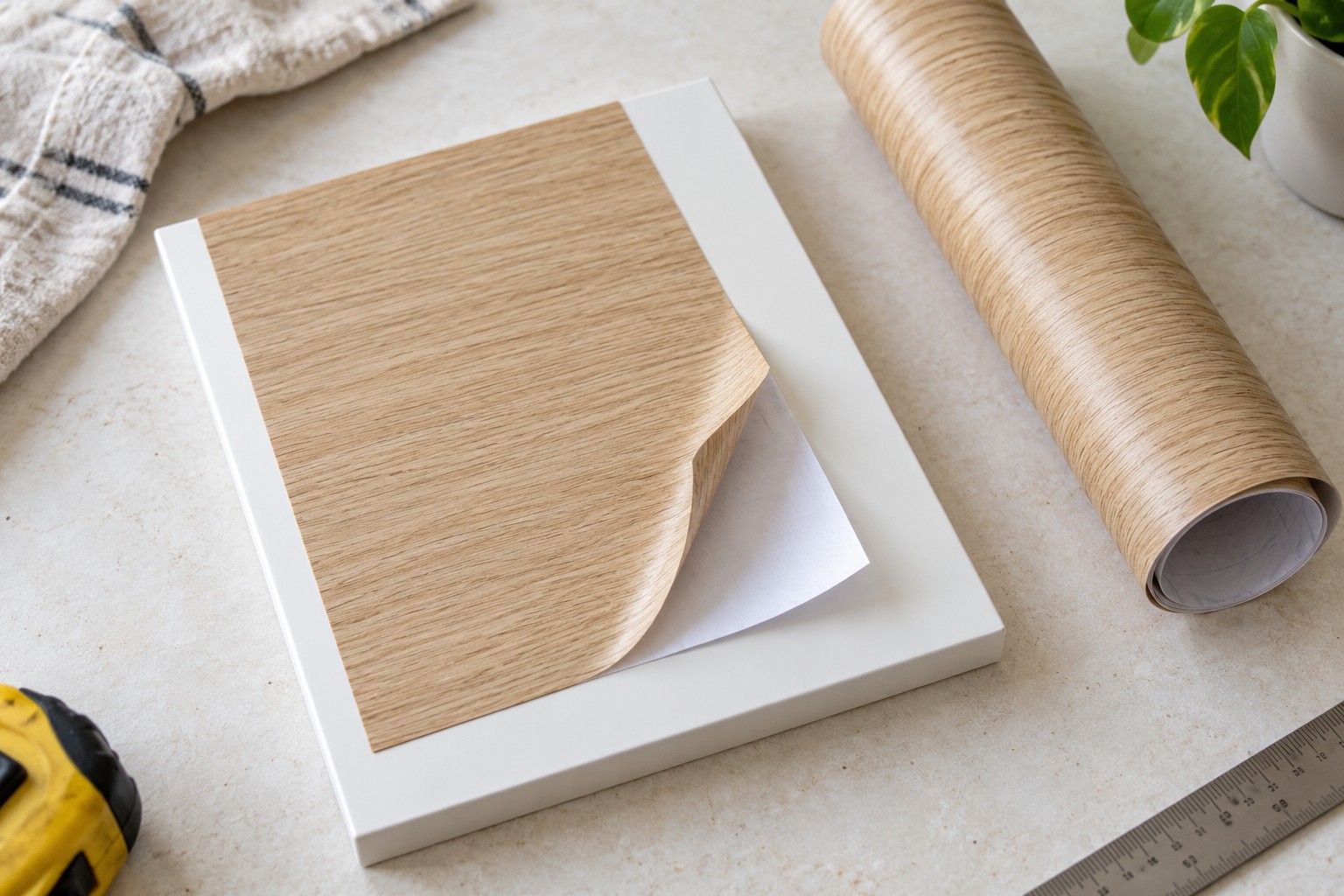
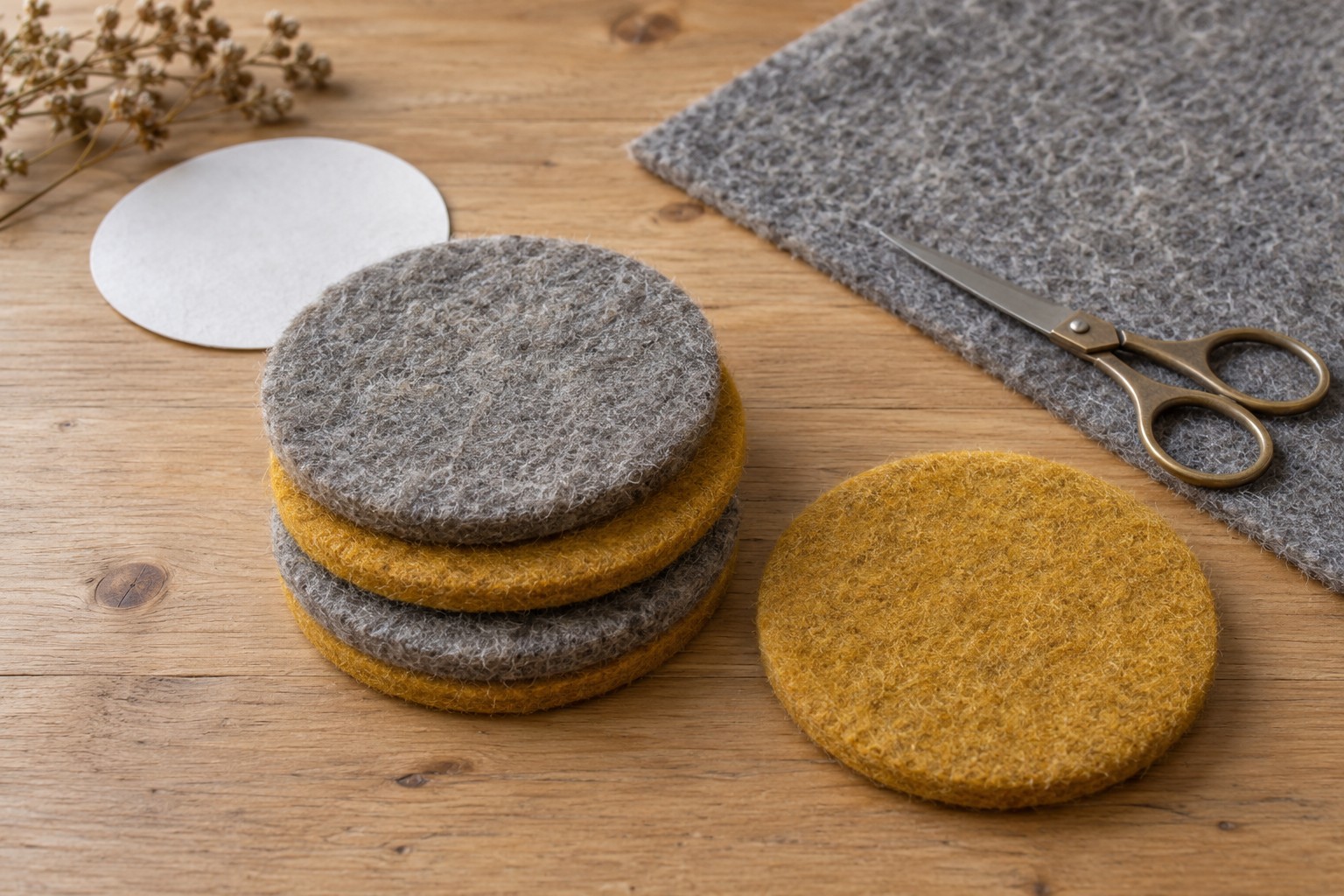
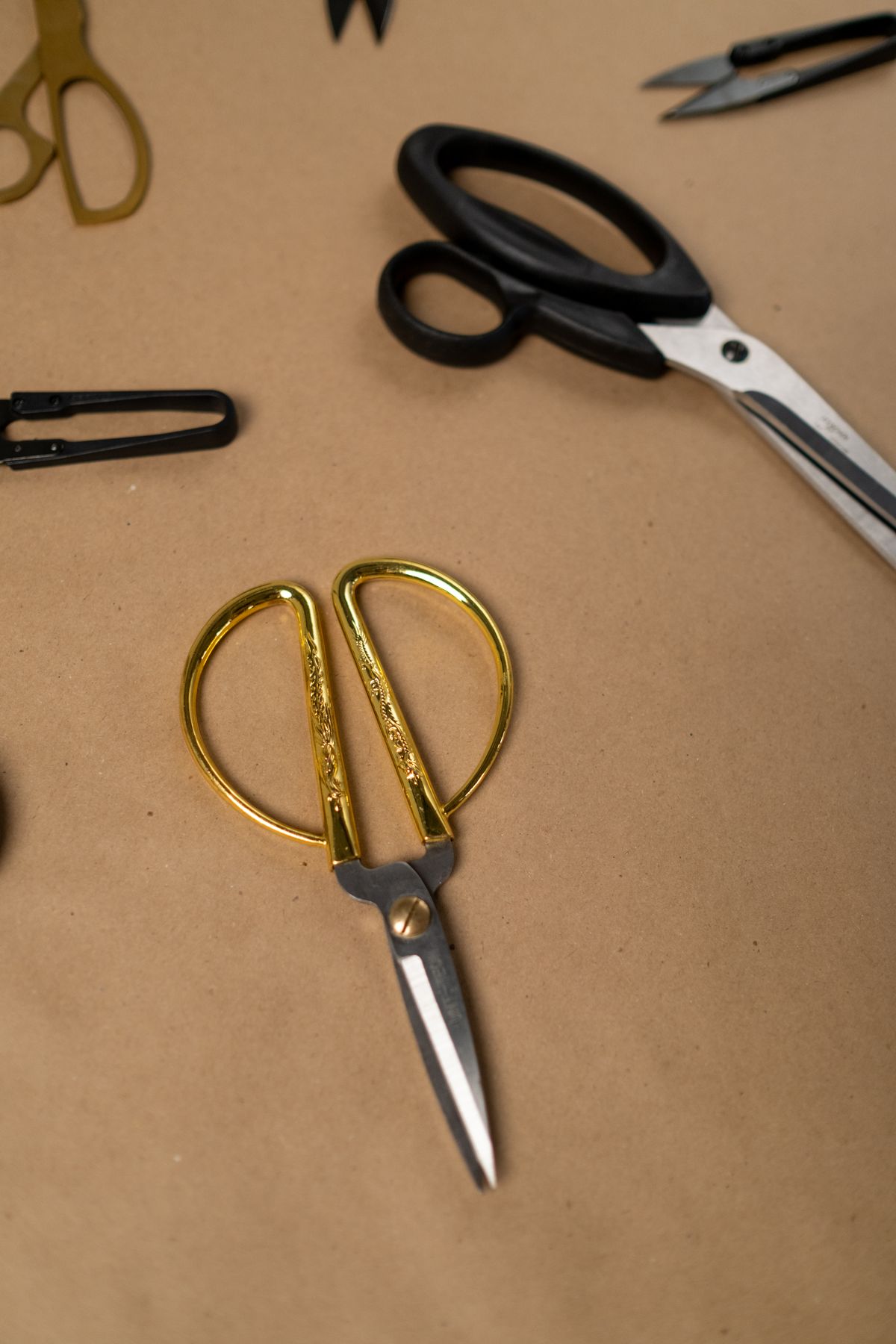
Cut a paper template or use a small trial piece to understand awkward corners. Transfer the outline to the liner on a protected cutting surface, following its instructions and keeping hands clear of the blade or scissors. Leave the fit flat rather than wedging excess material up the sides. A non-adhesive liner should sit smoothly without being stretched. If adhesive is involved, test compatibility discreetly and consider whether future removal could damage the finish.
Reload without creating catches
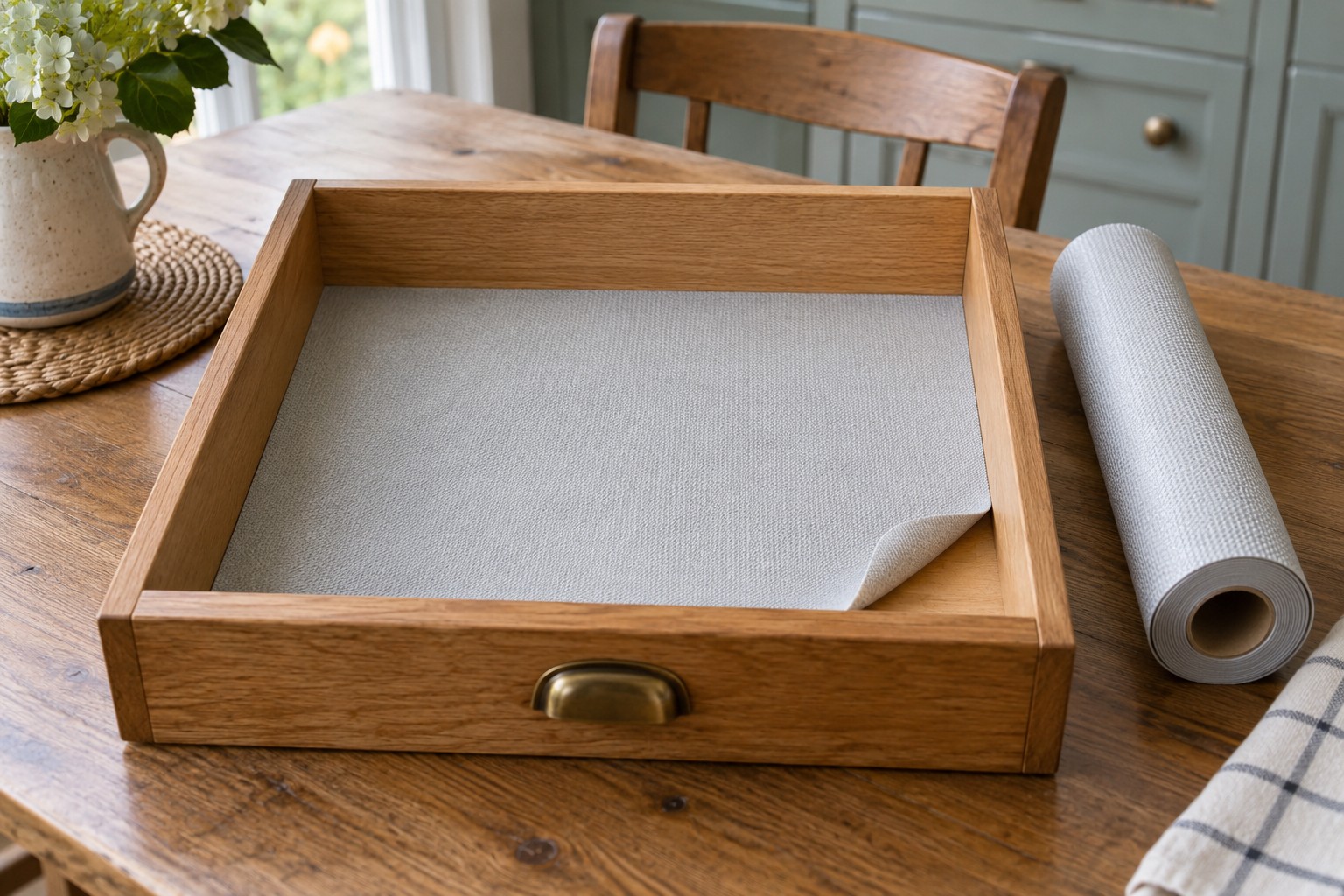
Place the liner on a clean, dry base and check that it does not rise into the drawer's closing path. Return contents gradually and see whether their movement drags the liner into folds. Trim or change an unsuitable liner rather than fastening it with random tape. Lift it periodically to check beneath for moisture, crumbs or colour transfer. Replace it if the backing becomes sticky or brittle, and avoid using a liner to hide an unresolved leak or damaged drawer bottom.
Before you call it done
- Measure the usable base, not the drawer front.
- Trial-fit rounded corners before final trimming.
- Check beneath the liner during routine care.
Know the limit. Keep cutting tools on a stable protected surface; do not cut directly inside the fitted drawer.