Define the actual load and location
Weigh the item and consider how it will be used. A lightly hanging object differs from a bag repeatedly pulled sideways or filled with extra items. Read the product's weight limit and restrictions for the exact hook and strip combination; do not combine several hooks and assume their capacities simply add up. Check whether the proposed location is exposed to moisture, heat or direct sunlight outside the product's stated conditions.
Check the surface honestly
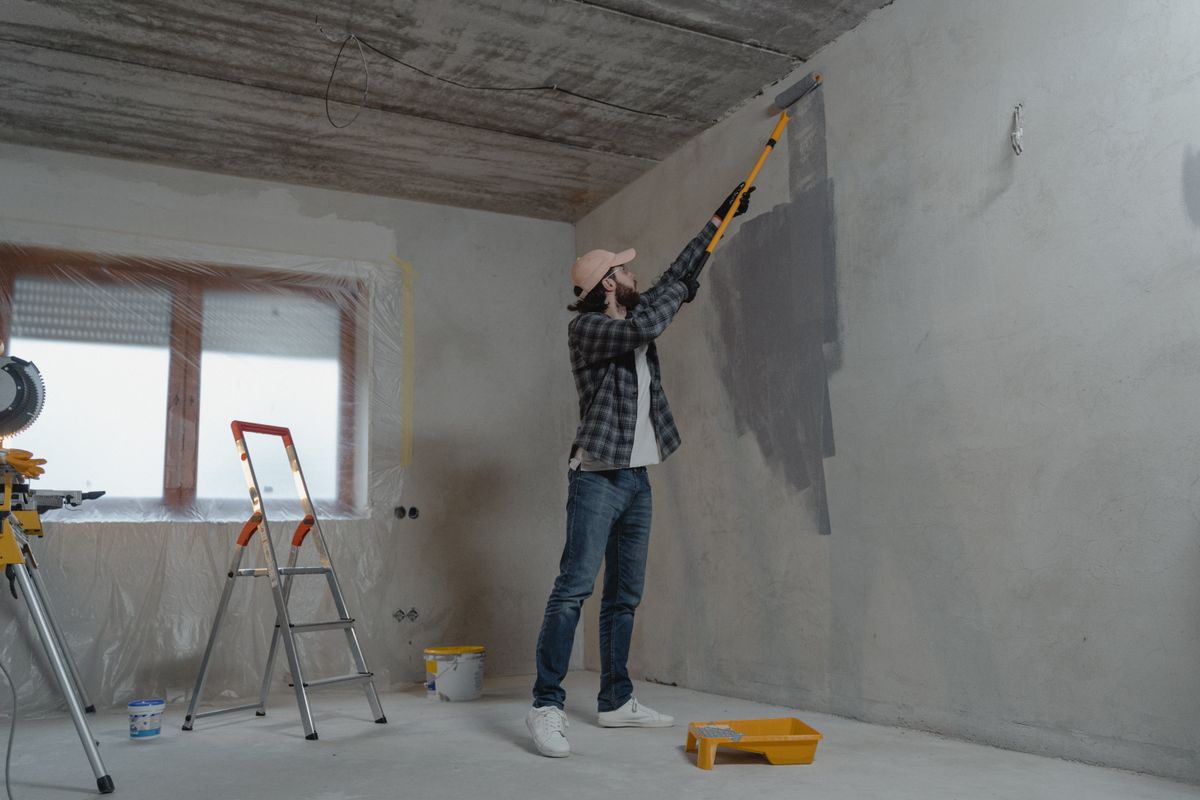
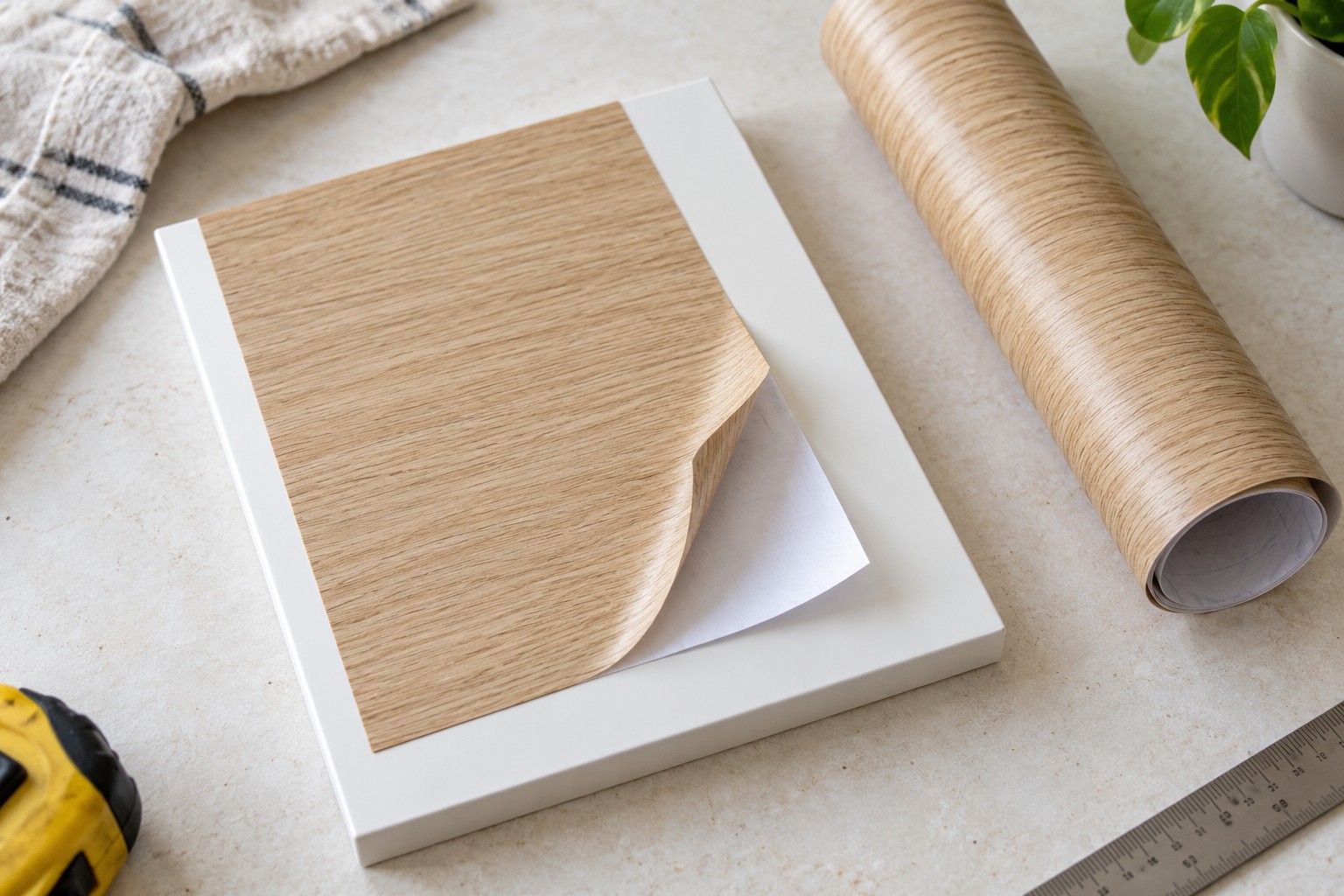
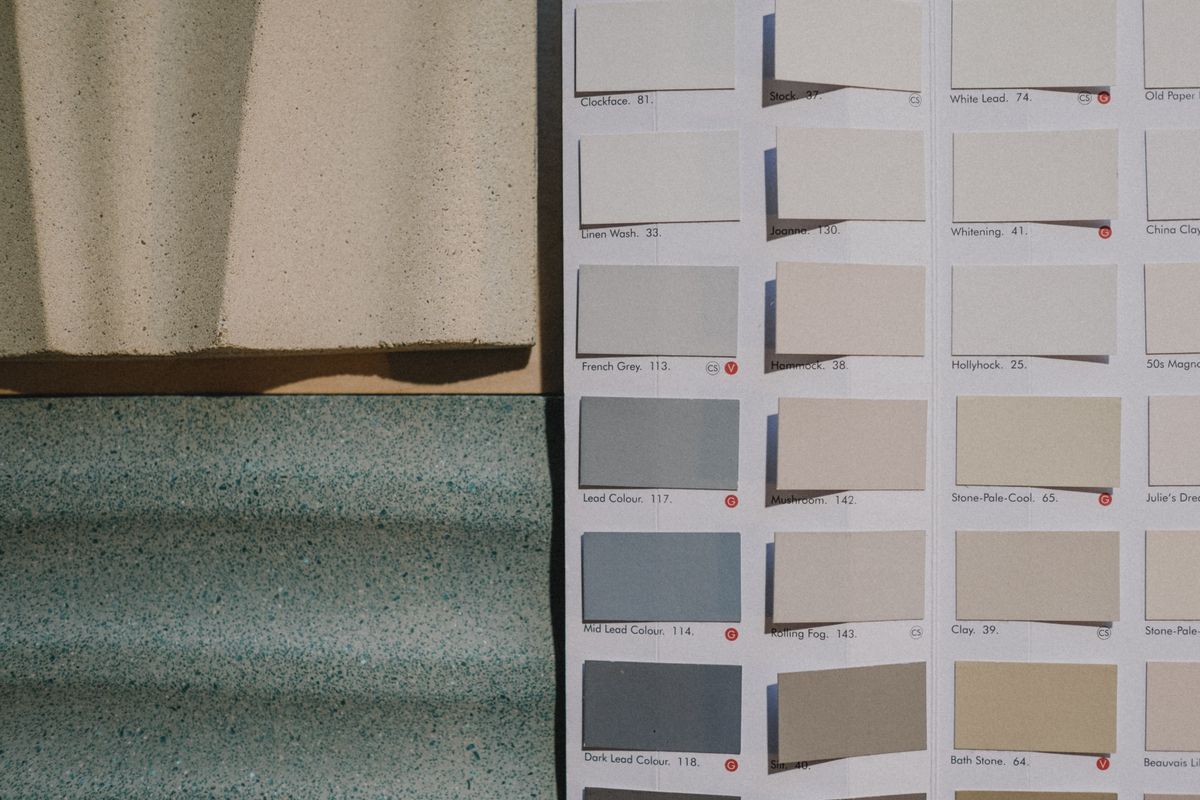
The wall must be one the manufacturer permits, with paint sufficiently cured and a sound, suitable finish. Wallpaper, rough masonry and fragile paint are not interchangeable with smooth painted surfaces. Follow the specified preparation method rather than substituting a household cleaner that may leave residue. Obtain permission where required in a rented home. A discreet test can reveal some problems, but it does not override exclusions printed on the hook packaging.
Respect the application and waiting stages
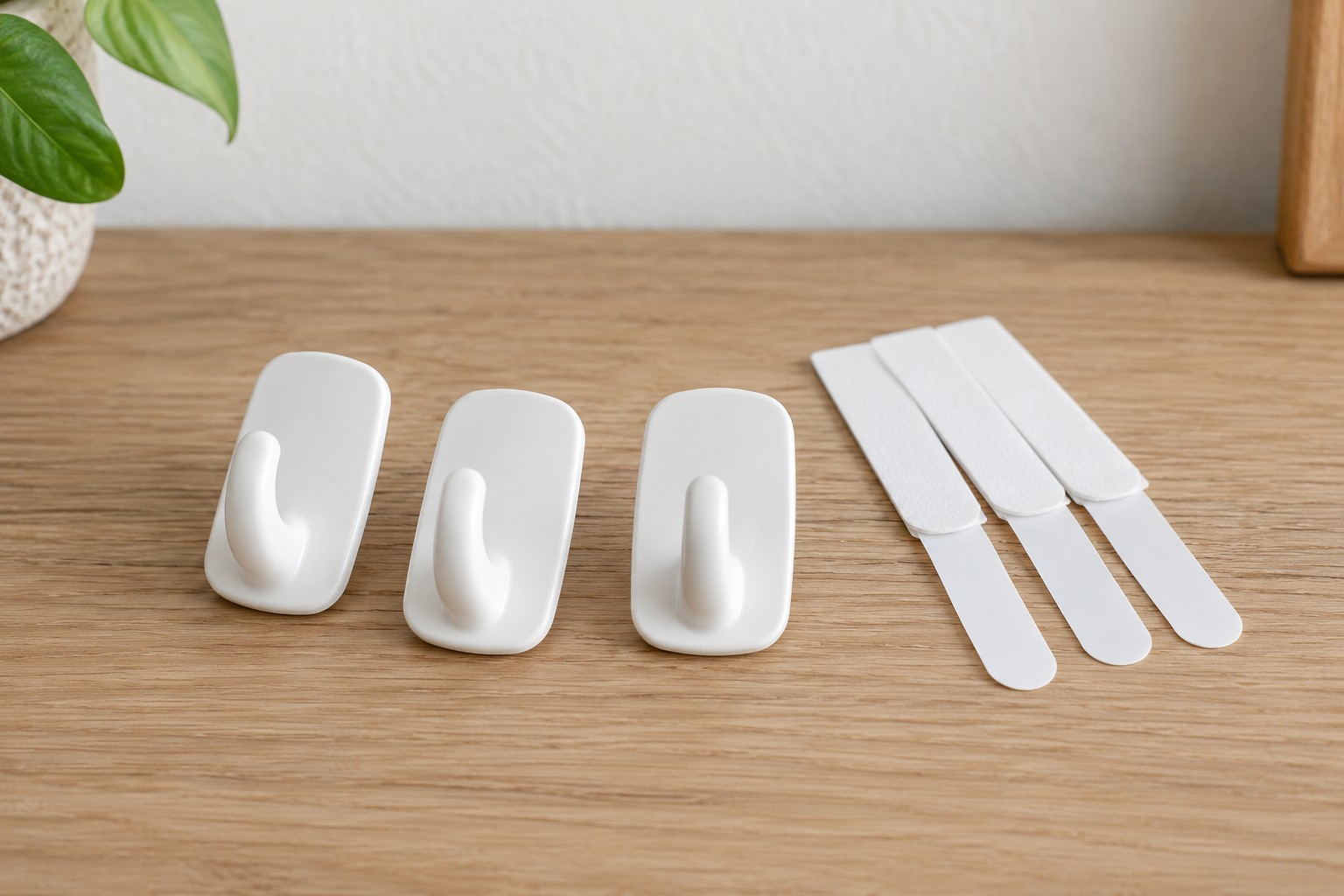
Follow the sequence for attaching the strip, pressing the mount and waiting before loading. The required pressure, duration and waiting period belong to the particular product, so keep the instructions rather than relying on memory from another hook. Keep any removal tab accessible. Begin with the intended item and inspect for movement during use; remove the load if the hook or paint starts to lift. Do not hang irreplaceable, fragile or dangerous objects where a failure could injure someone.
Before you call it done
- Weigh the item including its usual contents.
- Check the exact strip and surface compatibility.
- Keep the removal tab accessible after fitting.
Know the limit. Use a suitable alternative for heavy or valuable items and for positions where a falling object could cause injury.