Use a room-by-room sequence
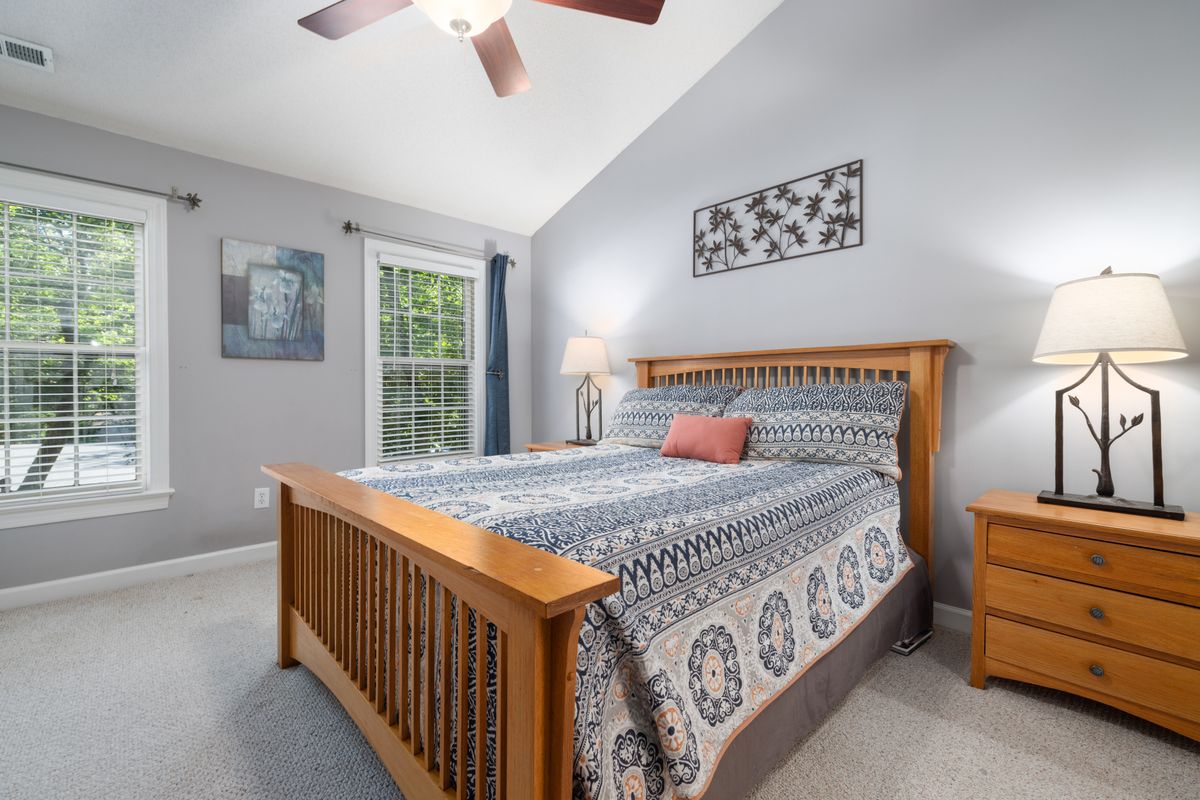
Start at the entrance of each room and take a wide photograph before close details. Record existing marks, damaged fittings and anything that does not operate normally during ordinary use. Include a recognisable reference point in each close-up so its location is clear. Keep original image files with their dates and use simple filenames such as room and item. Avoid photographing identity documents, private correspondence or other unnecessary personal information.
Describe observations without diagnosing them
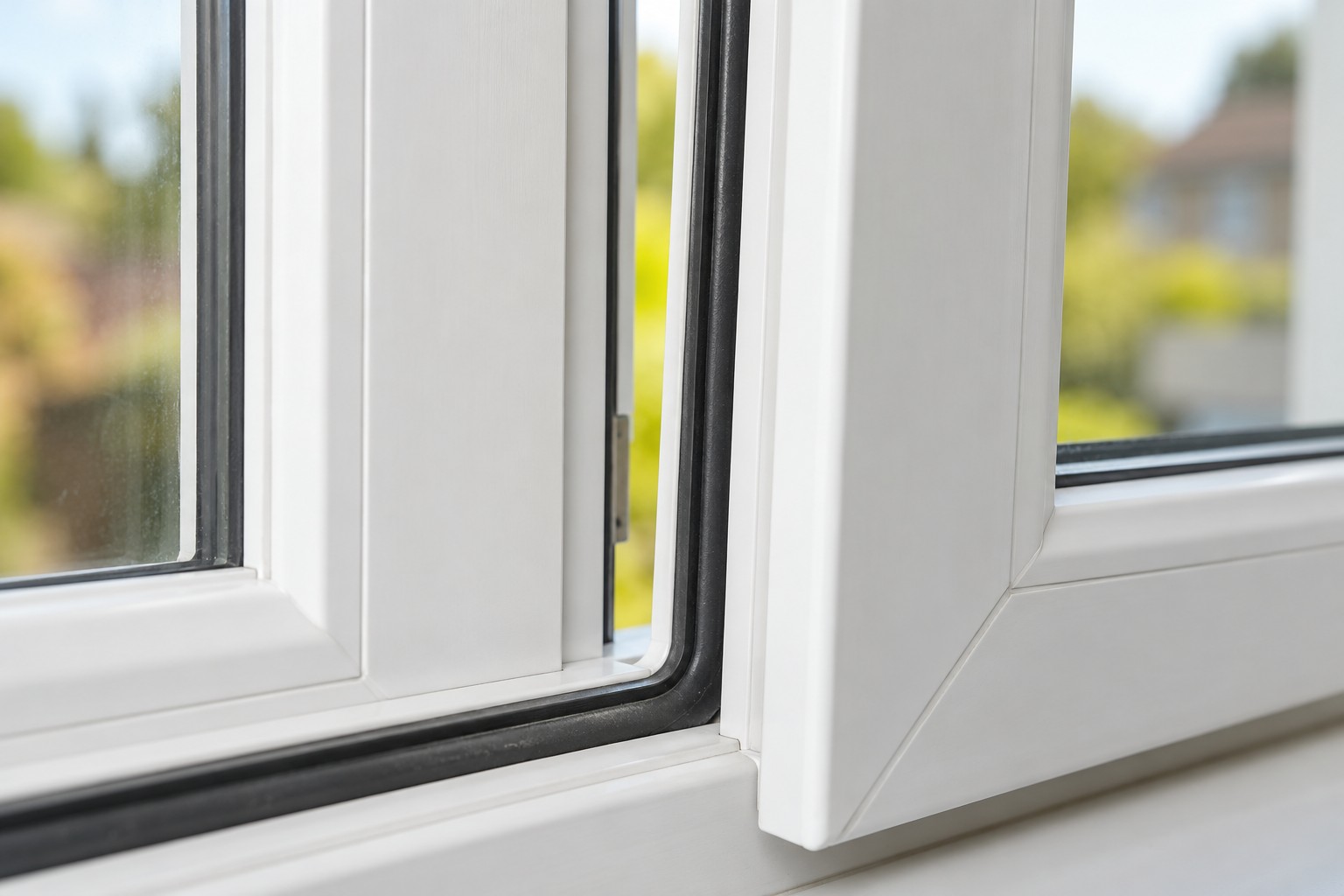
Write what you can see or experience: a drawer catches halfway, paint is lifting beside a window, or a handle moves at its base. Do not label an unexplained stain as a leak or a structural defect without evidence. Note whether the issue was present on arrival and whether it prevents normal use. Keep copies of supplied inventories and product instructions together, but do not dismantle appliances, fixtures or building elements to complete the record.
Turn the record into a clear report
Send urgent maintenance concerns through the agreed contact method and retain a copy of the message. Group routine cosmetic observations separately from faults affecting safe use. Ask for clarification if an inventory description differs from what you found, and record any agreed correction. Revisit unresolved items with dated updates rather than replacing the original photographs. This is a practical documentation method, not a substitute for professional inspection or advice about a tenancy dispute.
Before you call it done
- Take a wide view before close-up details.
- Use factual descriptions and dated originals.
- Keep reports and replies with the inventory.
Know the limit. Report immediate hazards promptly; do not delay urgent action while trying to create a perfect photo record.