Start with a clean face
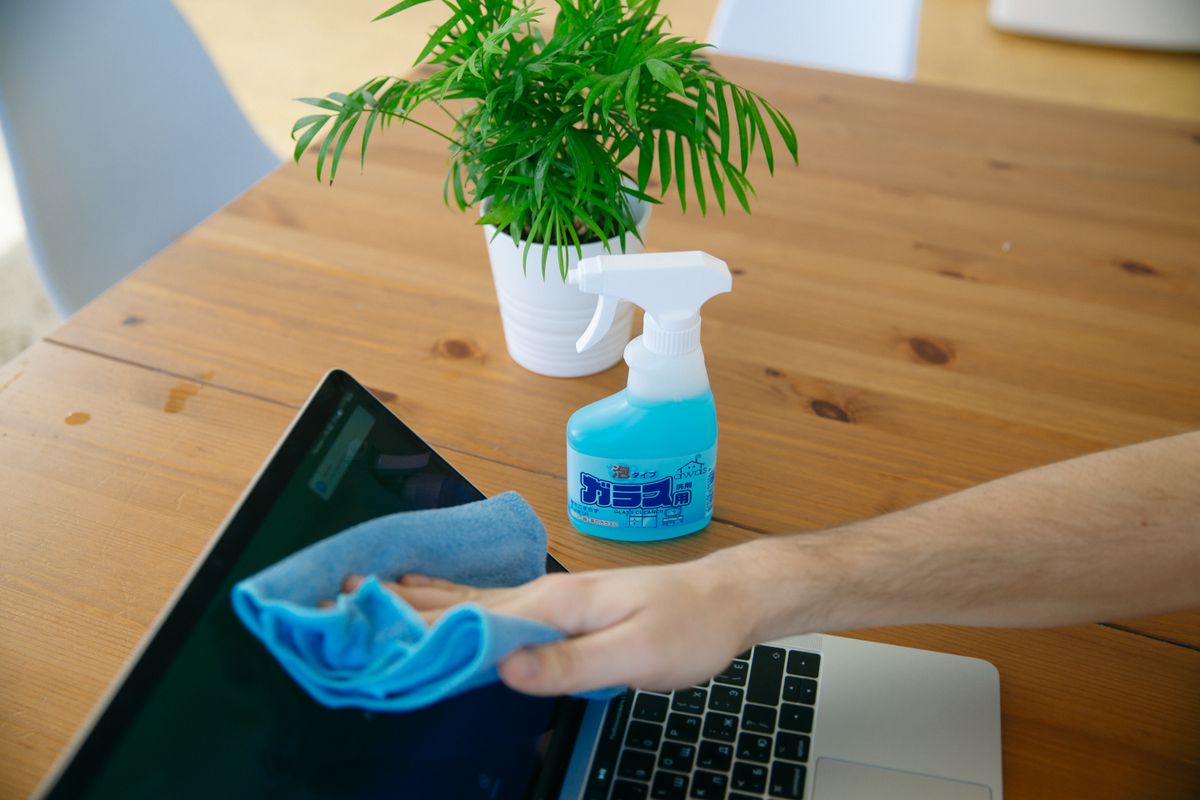
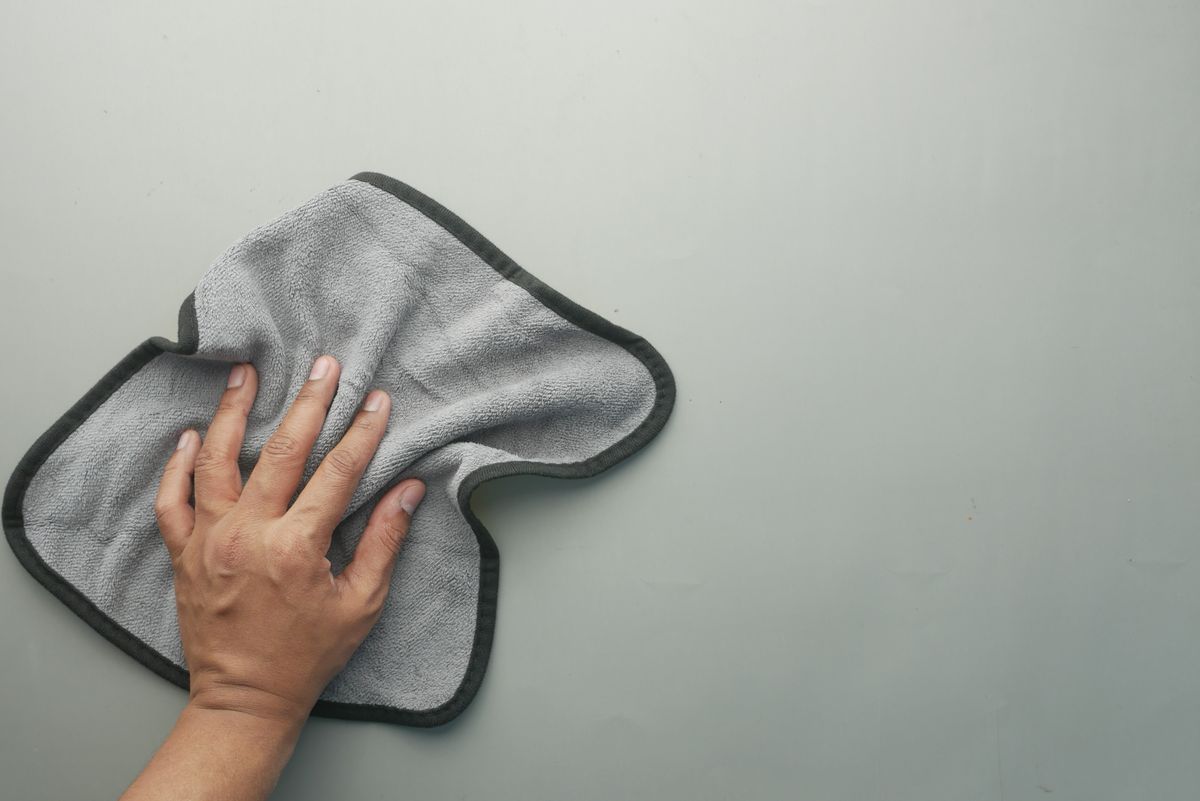
Fold the cloth into quarters so you have several usable faces, then turn to a fresh face as the current one becomes dirty. A cloth that has collected grit should not move straight onto a glossy surface. Use a dry cloth for suitable dusting tasks or a lightly damp one where the surface guidance allows it. More water is not automatically better; it can spread residue into seams and leave drying marks.
Give different areas separate cloths
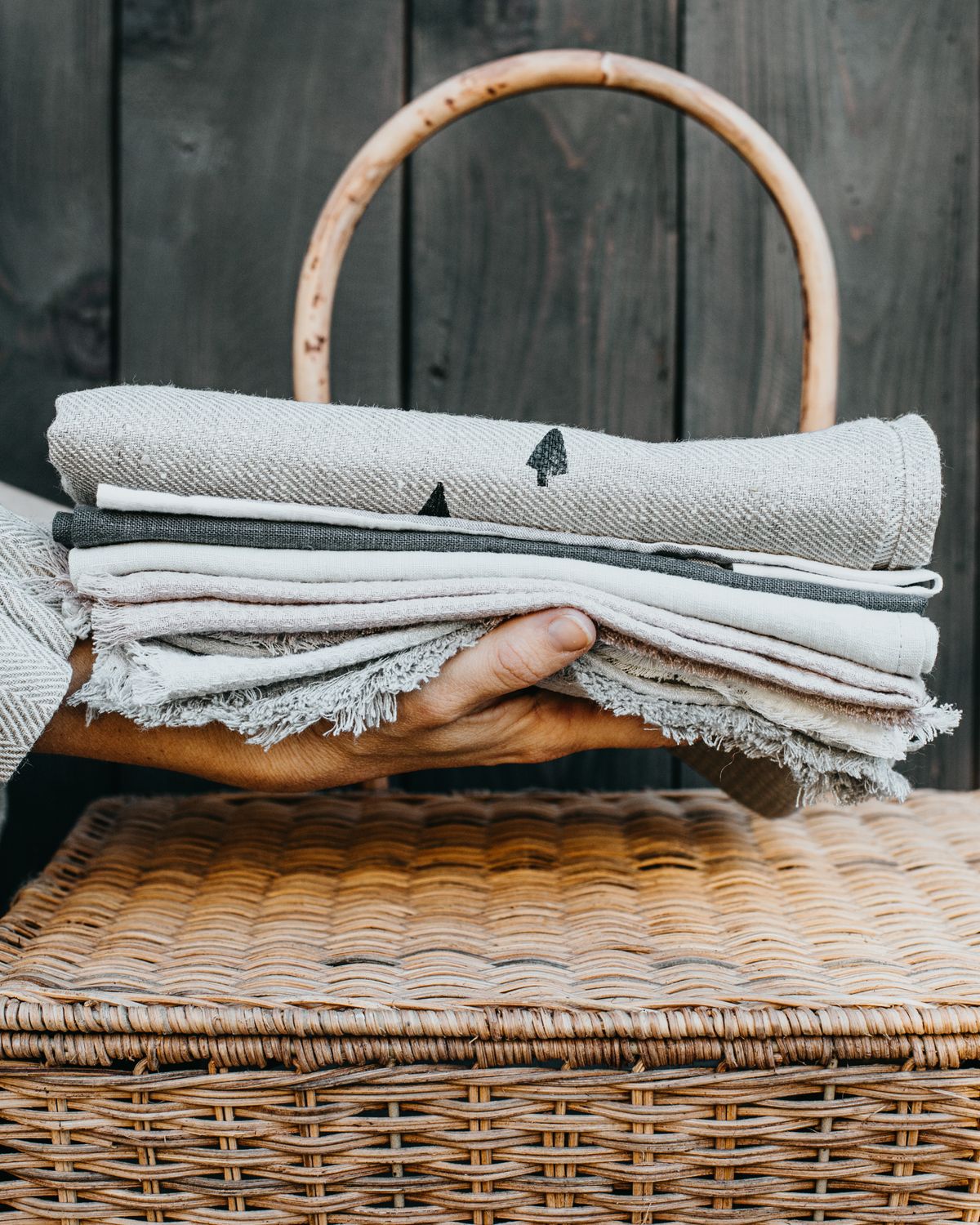
Reserve clearly identified cloths for kitchen surfaces, bathroom fixtures and general dusting. The colour code can be your own, provided everyone in the household understands it. Keep cloths used around toilets out of the food-preparation routine. A cloth used with one cleaning product should not become a way of combining it with another. Replace or wash it as required before changing tasks, and follow any product instructions for rinsing the surface.
Wash according to the cloth label
Microfibre products vary, so use the specified temperature, detergent and drying method. Fabric conditioner or other additives may be restricted by the maker because they can affect performance. Wash dirty cloths before they are returned to the clean supply and let them dry fully in a suitable place. If a cloth has picked up abrasive debris that will not come out, retire it from delicate-surface cleaning. Keep a few clean spares so there is no pressure to continue with a contaminated one.
Before you call it done
- Turn to a clean folded face frequently.
- Keep bathroom and kitchen cloths separate.
- Follow the cloth's washing and drying label.
Know the limit. A microfibre cloth is not a guarantee of disinfection. Where hygiene requires a disinfectant, follow an appropriate product's surface compatibility, contact time and safety instructions.