Record capability rather than every detail
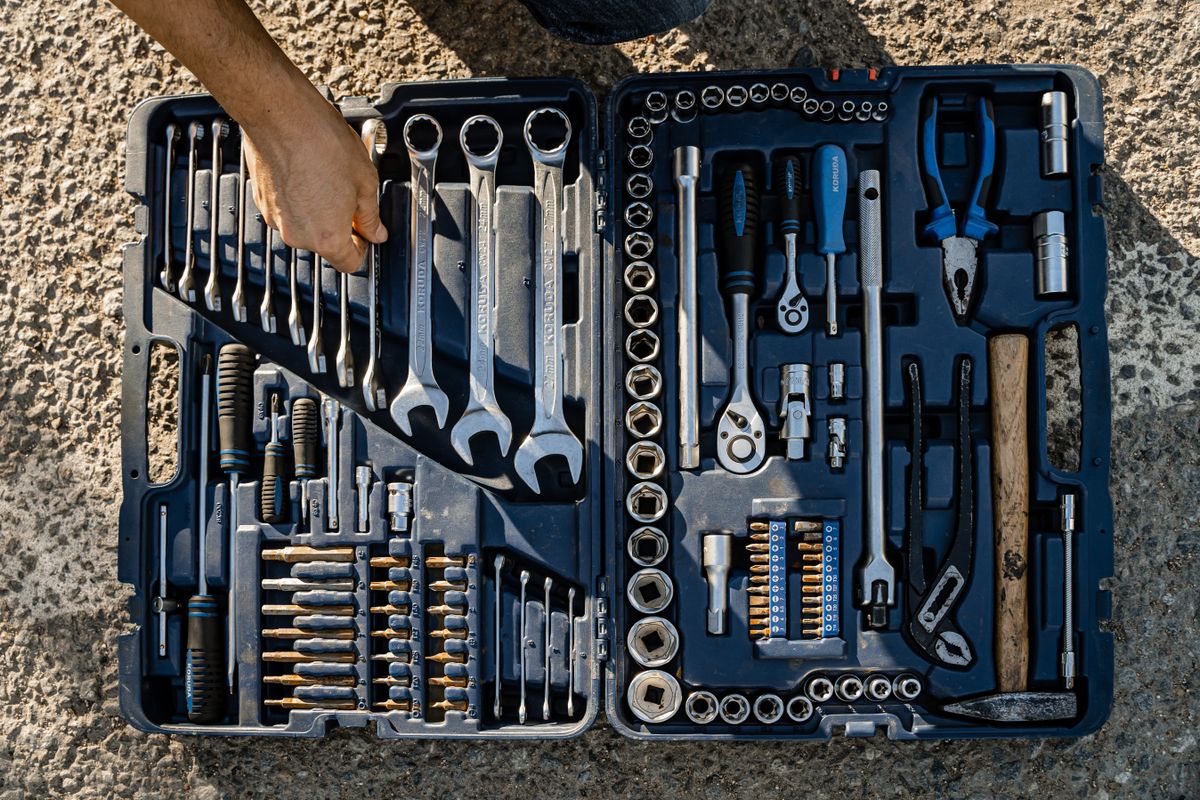
Start with tool type, size or profile, condition and storage location. For a screwdriver set, note the PH, PZ, flat or hex sizes that are actually present rather than copying the number printed on the original box. Photograph the open case as a quick visual reference. A simple phone note or printed sheet is enough; a complicated system tends to be abandoned after the first busy job.
Separate ready, borrowed and faulty items
Mark borrowed tools with the owner's name and a return reminder. Put damaged tools in a separate location and record them as unavailable so the list does not give false confidence. If a specialist tool is shared within a family, note where it normally lives. Keep manuals or model numbers for items whose accessories must match precisely. Avoid recording private purchase details unless you genuinely need them for warranty administration.
Review after a project, not every day
Use the moment you put tools away to update missing consumables and any damage noticed. Before a purchase, check whether you need a whole new kit, a replacement tip or simply a better storage label. Record a wish-list item with the job it would solve; that keeps impulse purchases distinct from a recurring need. An inventory becomes useful when it changes a decision, whether that means borrowing, replacing or deciding a specialist task belongs with a professional.
Before you call it done
- List exact sizes and driver profiles.
- Mark faulty or borrowed items clearly.
- Link new purchases to a real recurring task.
Know the limit. An inventory is not evidence that a tool is safe to use. Inspect the actual item and check its instructions before every task.