Open a route from the door
Work in good light and keep the door secure while you sort. Move a few lightweight objects to a safe temporary place rather than emptying the whole shed onto a path. Watch for sharp tools, damaged containers and unstable piles before reaching into them.
Check the floor for obvious soft spots, standing water or damage. If the structure appears unsafe, stop and arrange an appropriate assessment. Tidying cannot compensate for a weak floor or a failing shelf.
Group by use, not by spare space
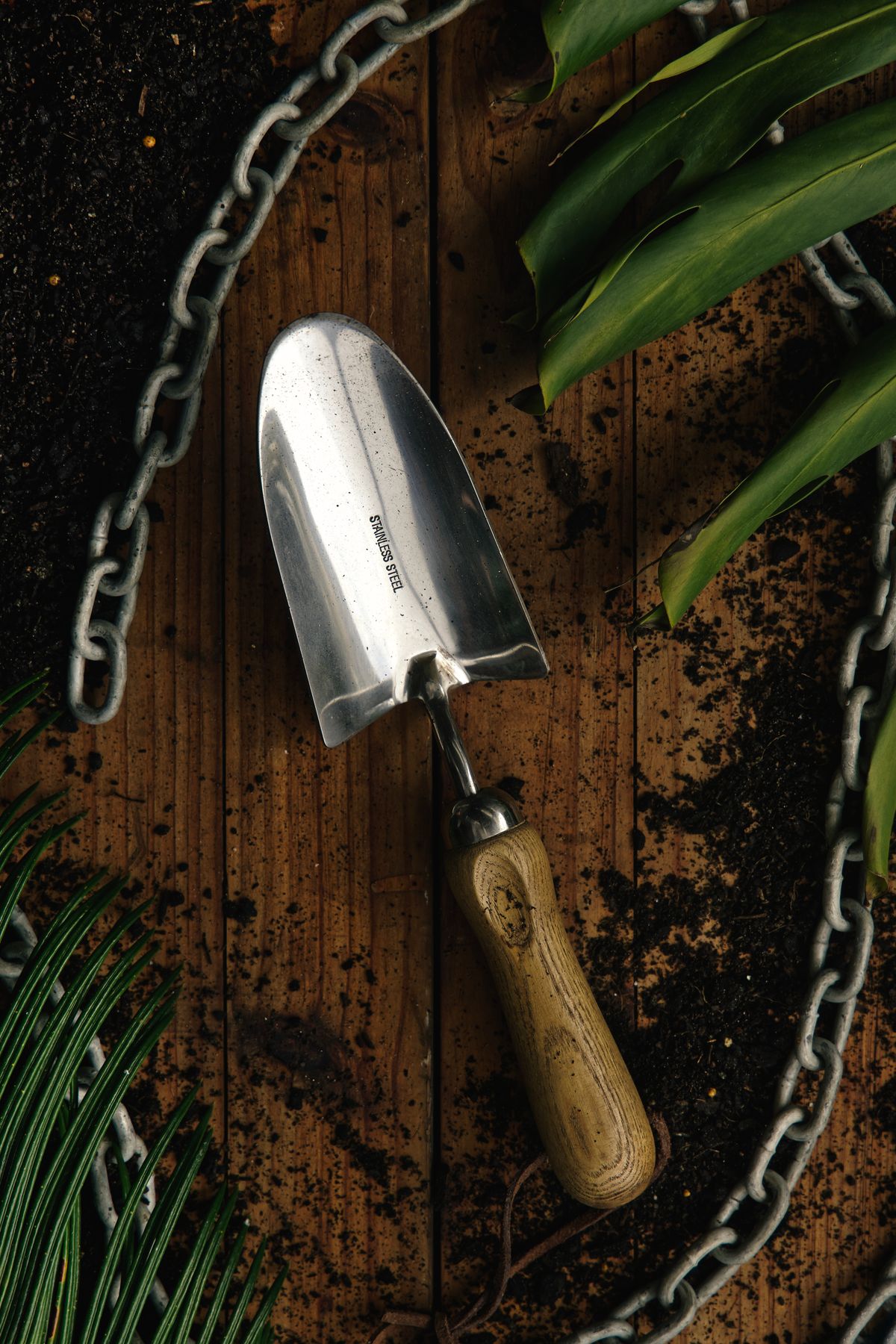
Keep the most-used garden tools accessible and store long handles so they cannot fall into the doorway. Heavy items belong on a suitable low surface rather than a high shelf. Follow any rack or cabinet fixing and load instructions.
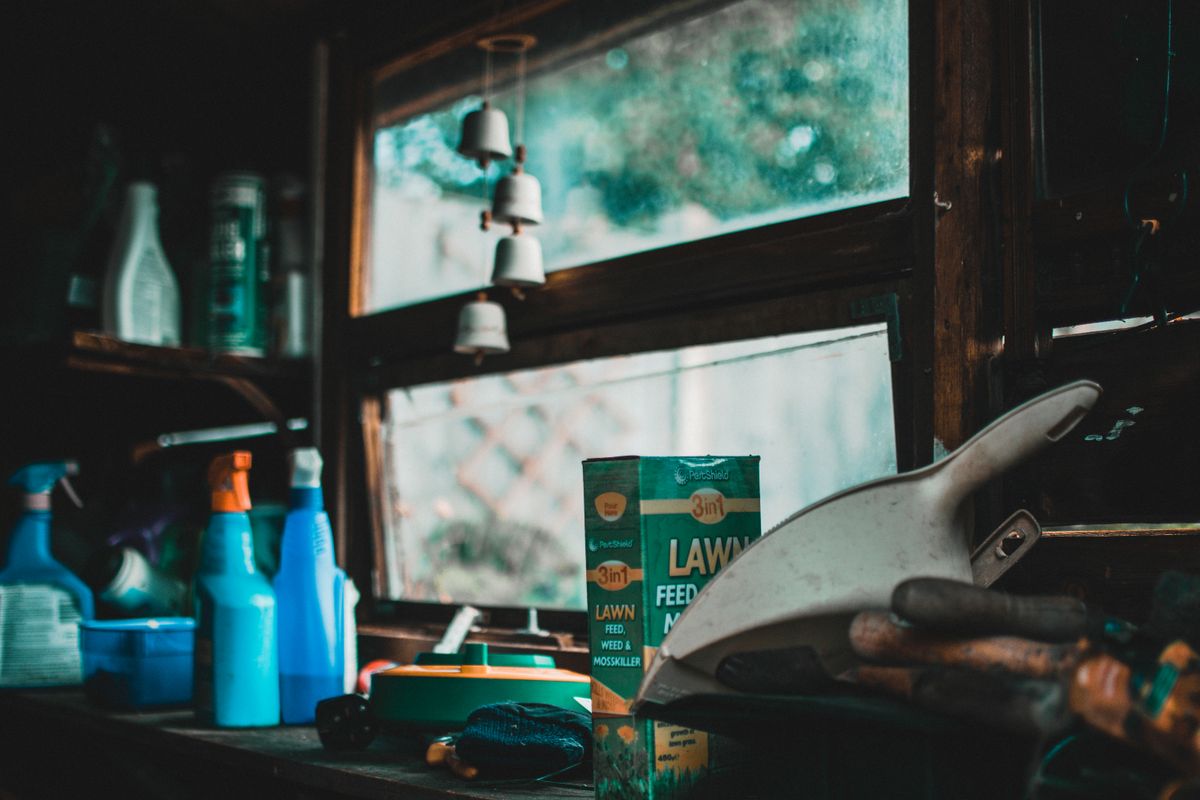
Keep products in their original labelled containers and obey their storage requirements. A hot, damp shed may not be suitable for everything people commonly put in one. Do not combine fuels, chemicals and ordinary household supplies without checking the relevant guidance.
Leave room to take things out
Test removing the item you use most often without moving a stack first. Reserve a small clear area for setting something down while you open a box. Keep the door, ventilation and any service access unobstructed. If the shed only works when every gap is filled, reduce the stored collection rather than building a higher pile.
Before you call it done
- The doorway and walking route are clear.
- Long tools cannot fall across the route.
- Stored products suit the shed's conditions.
Know the limit. Do not investigate unknown chemicals, suspect hazardous materials or unsafe structures as part of a routine tidy. Seek appropriate guidance.