Name the exposure, not just the tool
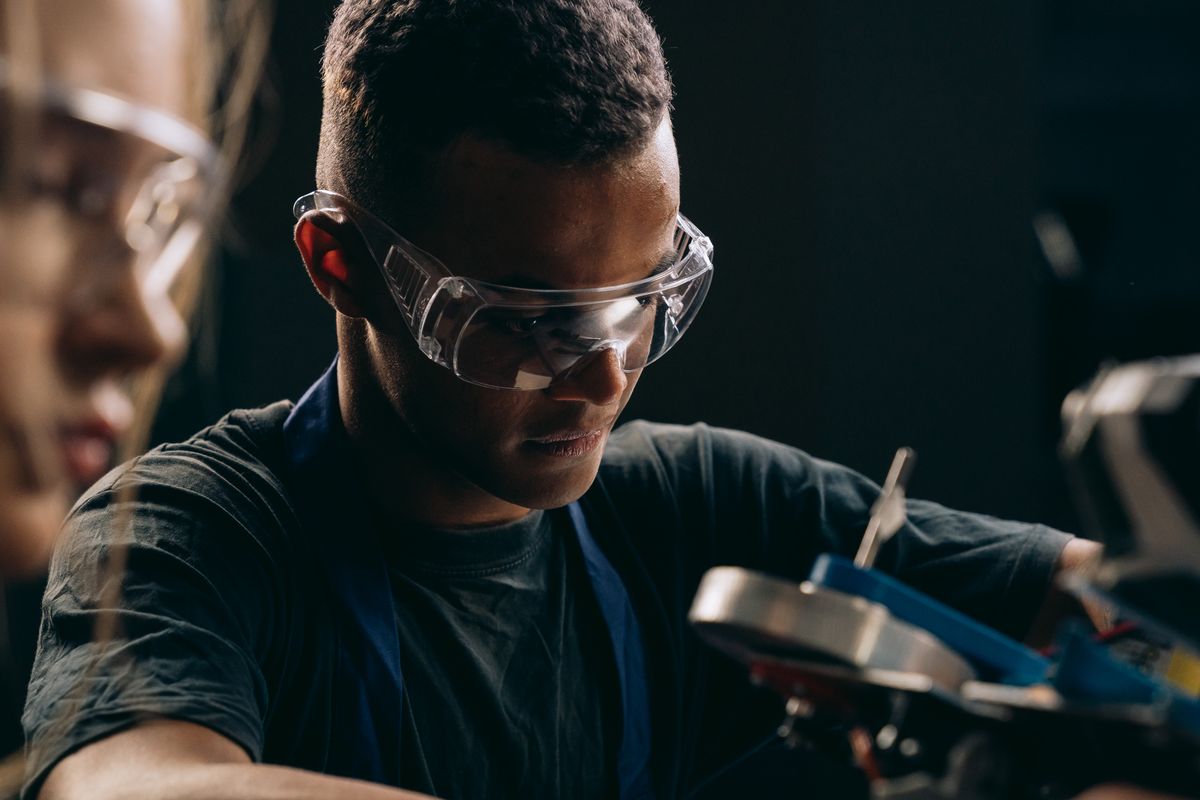
Consider whether a low-risk hand-tool job could release a small chip, loose spring or fragment. Liquid splash and impact are different hazards and may require different equipment. Read the tool and product instructions before selecting protection. Avoid assuming that a pair of open-sided glasses will provide the same coverage as suitable goggles. If the task's risks are not clear, pause rather than selecting solely by appearance.
Check fit with everything you wear
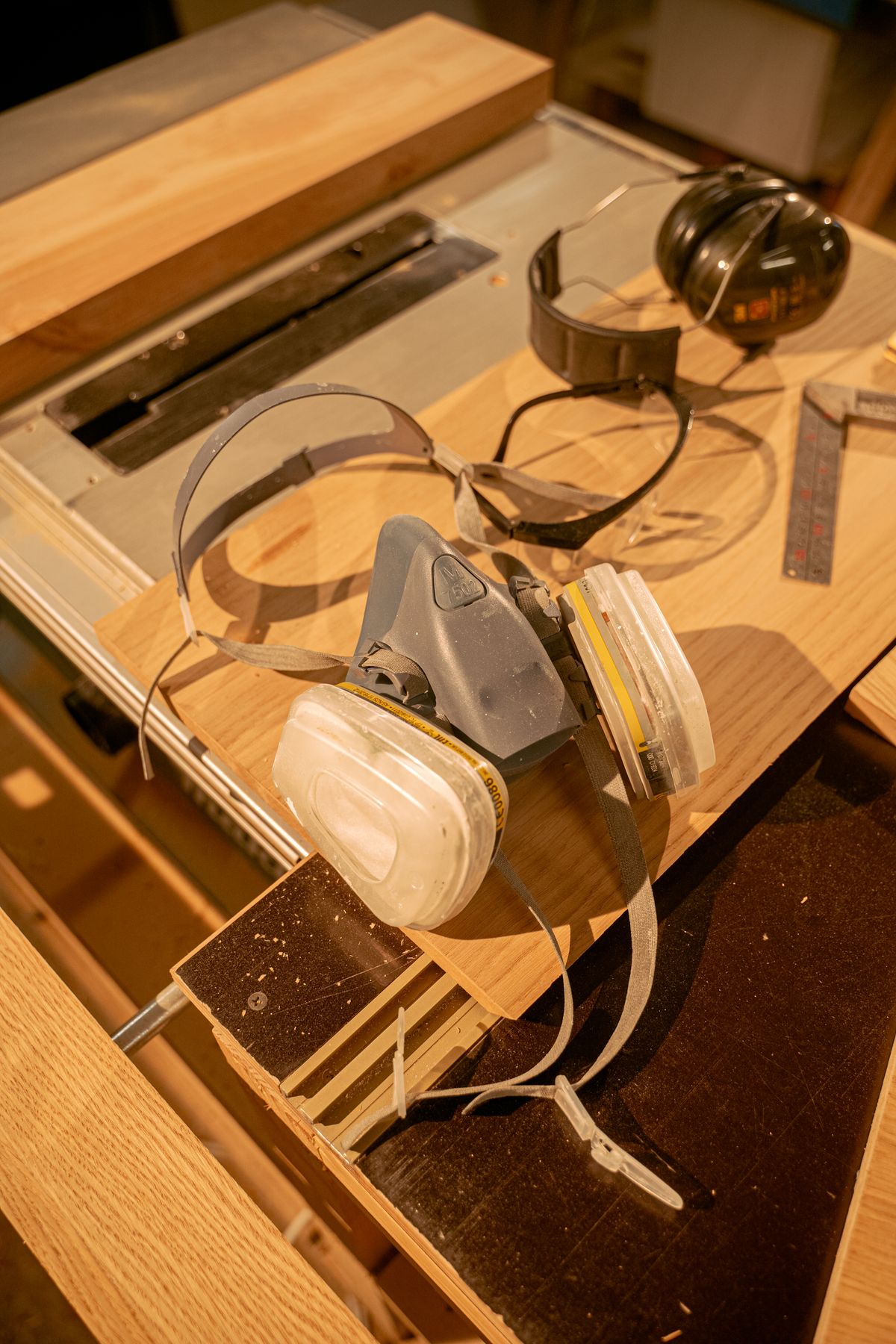
Try the protection with your normal prescription glasses if needed, using a design intended to fit over them or appropriate prescription safety eyewear. The frame should stay in place when you look down without pinching enough to distract you. Check that side coverage is not defeated by a poor fit. Headphones, masks and other equipment can alter how everything sits, so assess the complete arrangement rather than each item separately.
Keep the lenses useful
Scratched, dirty or fogged lenses can make you lean closer or remove the protection halfway through a task. Clean them using the maker's method and store them in a protective case rather than loose beside screws. Inspect frames and straps for damage before use. Replace equipment that has suffered an impact or no longer meets its instructions for serviceability. Protection is a supporting measure; a stable workpiece, controlled technique and keeping other people out of the immediate work area still matter.
Before you call it done
- Match protection to the stated exposure.
- Check fit with prescription glasses if worn.
- Keep lenses clean, clear and undamaged.
Know the limit. Do not use general household eye protection for welding, lasers, high-energy machinery or chemical work without the appropriate specialist specification and guidance.